

If you're looking to build explosive power, functional strength, and incredible endurance with just a single piece of equipment, you've landed in the right place. The kettlebell isn't just a weight; it's a complete training system that has stood the test of time, blending raw strength with dynamic cardiovascular work. Here, we'll break down everything you need to know to wield this tool safely and effectively for maximum results in minimum time-a philosophy even our mascot, Slow Mo the sloth, can get behind.
What "Kettlebell" actually means - clear definition + why it matters
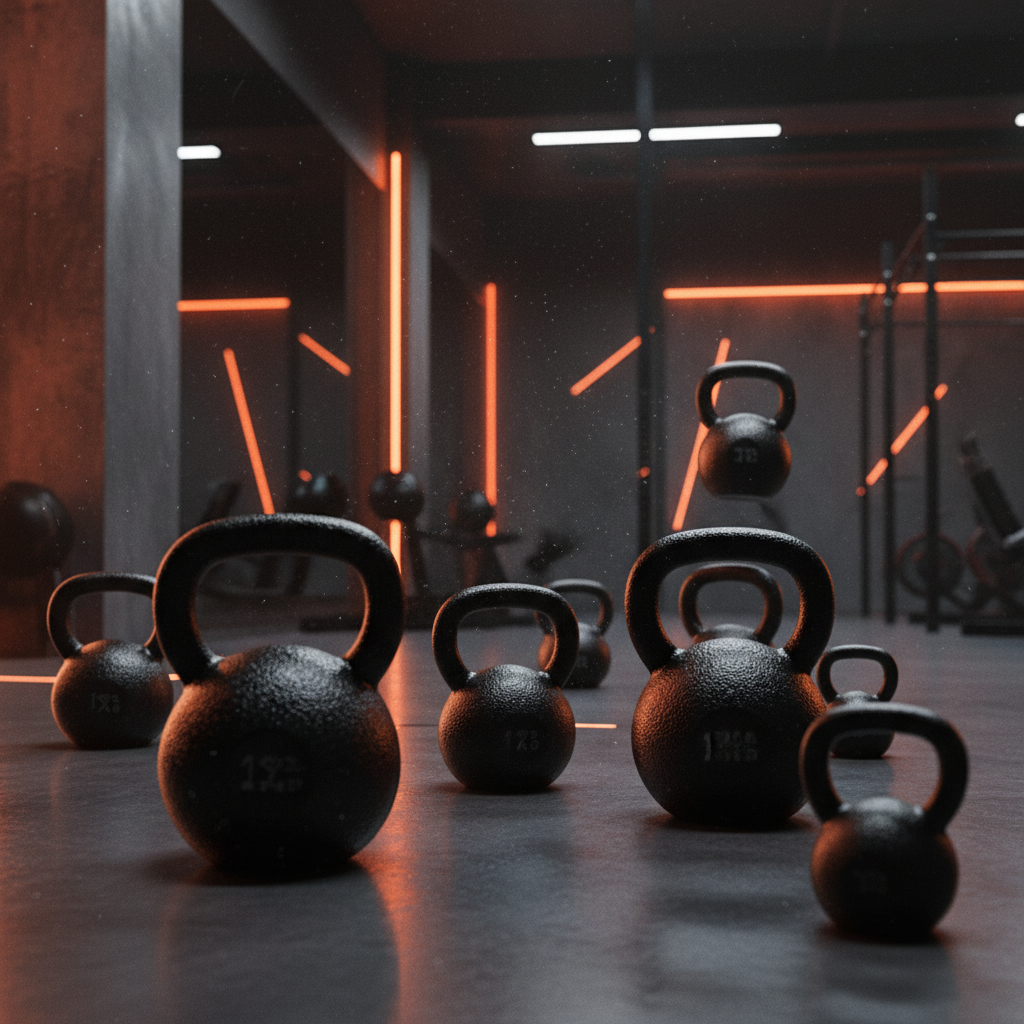
A kettlebell, or girya in its native Russian, is much more than a cannonball with a handle. It's a cast-iron or steel weight defined by its unique shape - a bell-like body with an integrated handle on top. This design places the center of mass several inches away from your grip, unlike a dumbbell where the weight is centered in your hand.
This offset center of mass is the kettlebell's secret weapon. It creates an unstable load that forces your stabilizing muscles-especially in your core and shoulders-to work overtime. More importantly, it's what makes ballistic exercises like the swing, clean, and snatch not only possible but incredibly effective. The handle allows the bell to rotate and move fluidly, creating forces and movement patterns that are impossible to replicate with other free weights.
The science behind it - physiology / mechanics / energy systems
Kettlebell training is a masterclass in physics and physiology. The effectiveness lies in its dual approach to movement - ballistic "fast lifts" and grinding "slow lifts."
Ballistic movements like the swing and snatch are explosive hip-hinge patterns. They primarily train your fast-twitch muscle fibers, which are responsible for power and speed. This ballistic force production requires a powerful contraction of the posterior chain (glutes, hamstrings, back) followed by a moment of weightlessness, or "float." Mechanically, you're learning to transfer force from the ground up through your body and into an external object, a fundamental skill in nearly every sport.
Grinds, on the other hand, include exercises like the Turkish Get-Up and the press. These are slow, deliberate movements performed under constant tension. They build muscular strength, stability, and control, targeting slow-twitch muscle fibers and improving your proprioception-your body's awareness of its position in space. The offset load constantly challenges your joint stability, building resilient shoulders and a rock-solid core.
From an energy systems perspective, kettlebell training is uniquely versatile. High-rep ballistic sets, often performed in circuits or intervals (like 10 minutes of non-stop swings), are a potent form of metabolic conditioning. They tax both the anaerobic (glycolytic) and aerobic (oxidative) pathways, skyrocketing your heart rate and creating a massive calorie burn and post-exercise oxygen consumption (EPOC) effect. Heavy grinds, in contrast, primarily tax the ATP-PC system, responsible for short, powerful bursts of maximal strength.
Key benefits - 5-8 specific, measurable benefits in a Markdown table
| Benefit | Mechanism | Realistic Timeline |
|---|---|---|
| Explosive Power & Athleticism | Ballistic hip extension in swings and snatches trains fast-twitch muscle fibers, directly improving vertical jump and sprint speed. | 4-6 weeks for noticeable pop. |
| Full-Body Metabolic Conditioning | High-rep sets engage hundreds of muscles simultaneously, creating a huge metabolic demand and EPOC (the "afterburn" effect). | Immediate (during workout); 2-4 weeks for improved work capacity. |
| Superior Posterior Chain Strength | The hip hinge pattern is the foundation of kettlebell ballistics, building exceptional strength in the glutes, hamstrings, and lower back. | 6-8 weeks for measurable strength gains (e.g., in your deadlift). |
| Rock-Solid Core Stability | The offset and dynamic nature of the load forces your core to constantly stabilize the spine against flexion, extension, and rotation. | 3-5 weeks to feel a significant increase in core stiffness. |
| Tenacious Grip Strength | Simply holding onto a heavy, moving kettlebell for an entire set is a world-class grip workout. | 4-8 weeks for a noticeably stronger handshake and better lifting. |
| Improved Posture & Back Resilience | Strengthening the entire posterior chain directly counteracts the postural damage of sitting, building a strong, resilient back. | 8-12 weeks for visible postural improvements. |
| Enhanced Mobility & Stability | Movements like the Turkish Get-Up and Goblet Squat improve stability and controlled range of motion in the shoulders, hips, and thoracic spine. | 4-6 weeks for feeling more fluid and stable in movement. |
Common mistakes to avoid - bulleted list of 6-10 mistakes with 1-line fix each
- •Squatting the swing. Fix - hinge at the hips by pushing them straight back, not down.
- •Using your arms to lift the bell. Fix - your arms are just ropes; snap your hips forward to propel the bell up.
- •Hyperextending the back at the top. Fix - finish in a standing plank by squeezing your glutes and abs hard.
- •Letting the bell pull your shoulders forward. Fix - keep your lats engaged to "pack" your shoulders and control the bell's arc.
- •Rounding your lower back on the downswing. Fix - maintain a proud chest and a neutral, flat back throughout the entire movement.
- •Choosing a weight that's too light. Fix - the bell should feel heavy enough to demand a powerful hip snap to move it.
- •Wearing cushioned running shoes. Fix - train barefoot or in flat-soled shoes to properly root your feet to the floor.
- •Rushing the Turkish Get-Up. Fix - own every single position; the benefit is in the slow, deliberate control.
- •Banging your forearms on cleans. Fix - learn to "tame the arc" by punching your hand through at the top, not letting the bell flip over.
Programming guide - sets, reps, frequency, progression rules
Effective kettlebell programming hinges on your goal. For strength, use heavier bells for lower reps (e.g., 5 sets of 3-5 reps per side on presses). For conditioning and hypertrophy, use moderate bells for higher reps or density-based training like EMOMs (Every Minute On the Minute) or AMRAPs (As Many Rounds As Possible).
A solid frequency is 2-4 full-body sessions per week. The key to progress is progressive overload. You can achieve this by:
- Increasing weight - move up to the next kettlebell size.
- Increasing volume - add more sets or reps.
- Increasing density - do more work in the same amount of time (or the same work in less time).
- Increasing complexity - move to a more challenging exercise variation (e.g., from two-hand swing to one-hand swing).
- •Two-Hand Swing - the absolute foundation. It teaches the explosive hip hinge that powers nearly all other ballistic kettlebell movements and provides an incredible cardio workout.
- •Goblet Squat - the world's best squatting tutor. Holding the bell at your chest forces you to keep an upright torso and engage your core, grooving a perfect squat pattern.
- •Turkish Get-Up (TGU): A slow, methodical practice in total-body tension and control. It builds phenomenal shoulder stability, core strength, and mind-muscle connection.
- •Kettlebell Clean - the bridge between the swing and the press. It teaches you to efficiently and safely move the bell from the floor to the "rack" position on your chest.
- •Military Press - a true test of strict overhead strength. The offset load challenges your shoulder stabilizers far more than a dumbbell press.
- •Kettlebell Snatch - the czar of kettlebell lifts. It's the ultimate expression of power, taking the bell from the ground to locked out overhead in one explosive, fluid motion.
- •Farmer's Carry - the simplest and one of the most effective exercises. Just pick up heavy kettlebells and walk to build a crushing grip, a strong core, and total-body resilience.
- •Nutrition - your body needs fuel to perform and rebuild. Aim for 1.6-2.2 grams of protein per kilogram of bodyweight to support muscle repair. Don't fear carbohydrates; they are essential for replenishing glycogen stores for high-intensity sessions. Prioritize whole foods.
- •Hydration - even slight dehydration can tank your performance. Drink 3-4 liters of water per day as a baseline, adding more to account for sweat loss during your workouts. Add an electrolyte supplement if you're training hard in the heat.
- •Sleep - this is your most powerful performance-enhancing tool. Aim for 7-9 hours of quality sleep per night. Sleep is when your body releases growth hormone and repairs damaged muscle tissue. Skimping on sleep will crush your progress.
Here's a sample guideline for weekly volume based on experience:
| Experience Level | Sessions/Week | Primary Focus | Sample Weekly Volume (Ballistics) |
|---|---|---|---|
| Beginner | 2-3 | Form mastery: Swings, Goblet Squats, Carries | 150-300 total swings |
| Intermediate | 3-4 | Strength & Power: Add Cleans, Presses, TGUs | 300-600 total swings + grind work |
| Advanced | 3-5 | Advanced Skills & Flow: Add Snatches, Double KB work | 500-1000+ swings/snatches + complex work |
Best exercises / techniques - list with 1–2 sentence "why" for each
Sample week template - Markdown table with Day | Focus | Volume | Notes
| Day | Focus | Sample Volume | Notes |
|---|---|---|---|
| Monday | Full Body Power | 10x10 Swings, 5x5 Goblet Squats | Focus on explosive, crisp reps. Rest 60s between sets. |
| Tuesday | Active Recovery | 20-30 min walk or light mobility | Promote blood flow and aid recovery. Don't sit all day. |
| Wednesday | Full Body Strength | 5x3 Turkish Get-Ups (per side), 5x5 Military Press (per side) | Move slowly and deliberately on the TGUs. Control is key. |
| Thursday | Active Recovery | 20-30 min walk or foam rolling | Loosen up tight spots, especially hips and shoulders. |
| Friday | Full Body Conditioning | 15-min AMRAP: 8 Cleans (per side), 12 Push-ups, 15 Swings | Push the pace but maintain perfect form. The goal is work capacity. |
| Saturday | Optional Activity | Hike, play a sport, or light cardio | Move your body in a way you enjoy. |
| Sunday | Full Rest | Rest & Refuel | Eat well, hydrate, and sleep. This is when you get stronger. |
Create Your Workout Plan by Voice - Free, No Signup
Just tell our AI what you want - your goals, schedule, equipment - and get a personalized plan in seconds. No forms, no hassle. Just speak.
Recovery, nutrition & sleep - practical numbers
Hard training is only half the battle; you build strength during recovery. Don't neglect these pillars.
Equipment & alternatives - table comparing options
| Equipment | Cost | Pro | Con |
|---|---|---|---|
| Cast Iron Kettlebell | $-$$ | Classic design, durable, comfortable handle for two-hand work. | Size and dimensions change with weight. |
| Competition Kettlebell | $$-$$$ | Standardized size and handle regardless of weight for consistent technique. | Handle window can be small for two-handed swings. |
| Adjustable Kettlebell | $$ | Space-saving, offers multiple weights in a single unit. | Can be clunky, less durable, and may feel unbalanced. |
| Dumbbell (Alternative) | $-$$ | Widely available, good for grinds like presses and rows. | Cannot replicate the physics of a kettlebell swing or snatch properly. |
FAQ - 6-8 real questions with 2-4 sentence answers each
Q: What weight kettlebell should I start with?
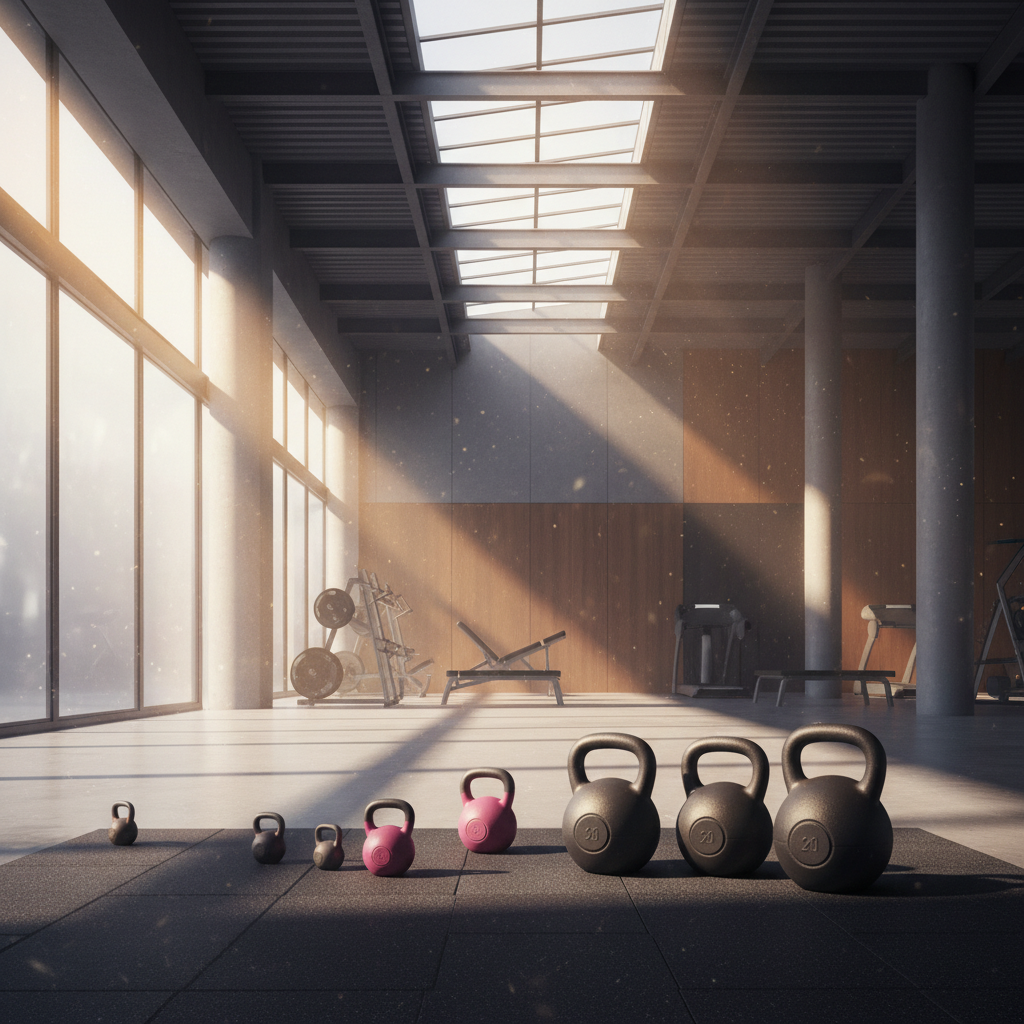
A - a good starting point for men is typically a 16 kg (35 lb) bell, and for women, an 8 kg (18 lb) or 12 kg (26 lb) bell. The goal is to choose a weight that is heavy enough to force you to use your hips, not your arms, but light enough to master the technique safely. It's always better to start a little lighter and perfect the form.
Q: Can I build muscle with just kettlebells?
A - absolutely. To build muscle (hypertrophy), you need mechanical tension and metabolic stress, both of which kettlebells provide in spades. By focusing on progressive overload with exercises like presses, squats, cleans, and high-volume ballistics, you can build a strong, athletic physique with kettlebells alone.
Q: Are kettlebells bad for your back?
A - on the contrary, when performed correctly, kettlebell training is one of the best ways to build a strong, resilient back. The kettlebell swing is a powerful hinge pattern that strengthens the entire posterior chain. Bad form is bad for your back, regardless of the tool; proper kettlebell form is therapeutic.
Q: How often should I train with kettlebells?
A - for most people, 2-4 full-body sessions per week is the sweet spot. This frequency allows for enough training stimulus to drive progress while also providing adequate time for your body to recover and adapt.
Q: Kettlebell swings hurt my hands. What can I do?
A - this is common at first. Avoid wearing gloves, as they can bunch up and worsen the issue. Instead, focus on a "hook" grip rather than a death grip, let the handle move in your fingers, and use a small amount of chalk if needed. Over time, your hands will toughen up and develop calluses.
Q: Can I lose weight with kettlebell workouts?
A - yes, kettlebell training is incredibly effective for fat loss. The high-intensity, full-body nature of the workouts burns a significant number of calories and boosts your metabolism for hours after you're done. Combine consistent training with a sensible nutrition plan for the best results.
Q: What's the real difference between a swing and a squat?
A - a swing is a horizontal projection of power driven by a hip hinge-think pushing your hips straight back. A squat is a vertical movement driven by knee and hip flexion-think sitting down in a chair. The swing is for power; the squat is for leg strength.
Bottom line - confident closing paragraph that invites the reader to use the AI workout planner
The kettlebell is a master tool for forging a powerful, resilient, and conditioned body. Its unique design unlocks a world of exercises that build explosive strength and tireless endurance with unmatched efficiency. By mastering the fundamental movements and applying smart programming, you can achieve a level of functional fitness that translates directly into a more capable life. If you're ready to stop guessing and start training with purpose, let Fullbody AI build a personalized kettlebell program for you. We'll handle the science of sets, reps, and progressions so you can focus on the satisfying work of the swing.