
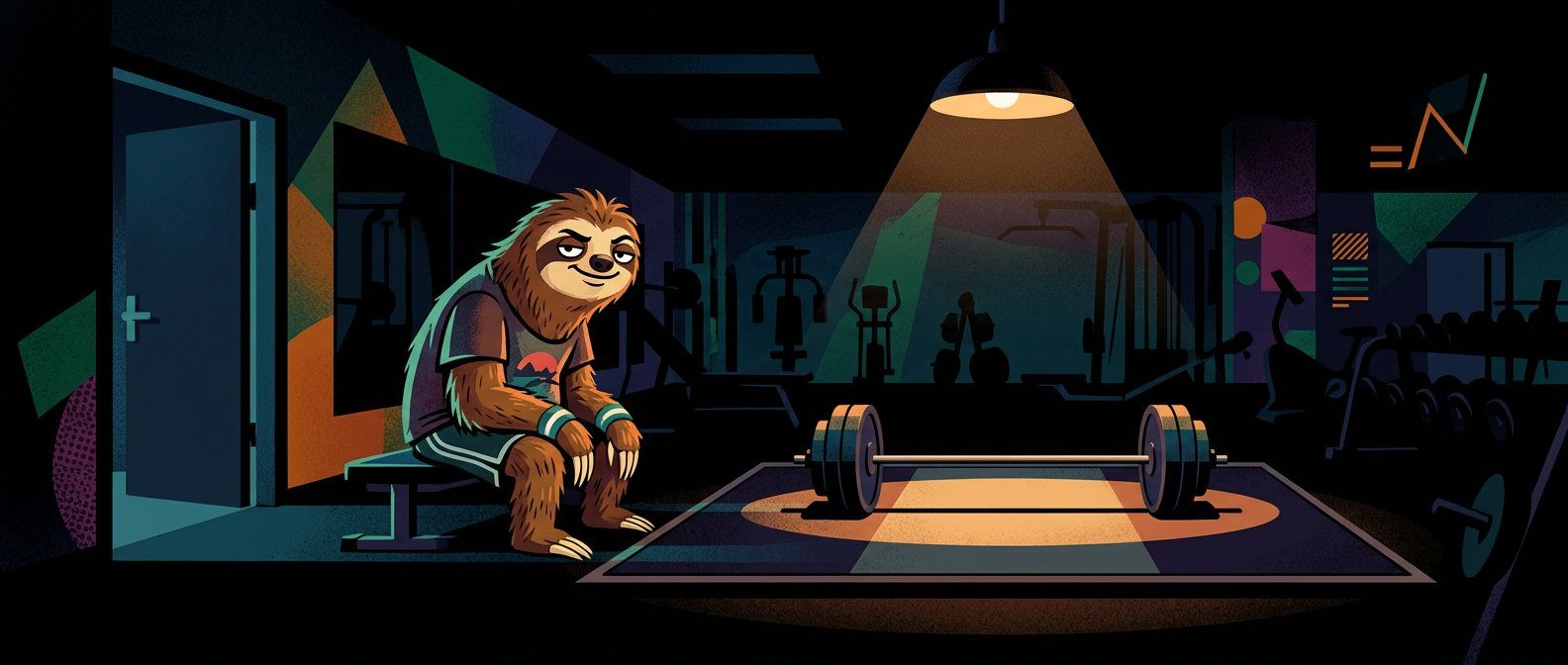
As someone who's spent more years in a gym than I'd care to admit, I get this question a lot. Friends, family, and even strangers on the internet ask: "Should I hire a personal trainer or use one of those AI apps?" It’s the big fullbody ai vs personal trainer question of our time, and honestly, the answer isn't as simple as one being flat-out better than the other.
I’ve been on both sides of this fence. I’ve paid a hefty sum for a traditional trainer, and I’ve been deep in the world of AI fitness for a while now. They both have their place, but they serve different needs. Let’s break it down.
The Real-Deal: The Traditional Personal Trainer
I’ll never forget my first trainer. His name was Marco, and he was a beast. Having him there in person was incredible for a few reasons:
- •Live Feedback - he could see my form crumbling on that last squat and tell me exactly how to fix it in that very moment. You can’t beat that hands-on correction, especially when you’re new.
- •The Push - there’s a certain kind of motivation that only comes from another human looking you in the eye and telling you “one more rep, you’ve got this.” It’s powerful.
- •Accountability - knowing I had an appointment with Marco (and that I’d be charged if I missed it) was a huge motivator to get my butt to the gym.
But, it wasn’t all sunshine and protein shakes. The cost was... significant. We're talking hundreds of dollars a month, which isn't feasible for everyone. And scheduling was a nightmare. His peak hours were my peak hours, so finding a slot was a workout in itself. That’s a common story in the virtual trainer vs gym trainer discussion.
Enter the Future: The AI Fitness Coach
This is where things get interesting. When I first heard about AI trainers, I was skeptical. How could an algorithm design the best personalized workout for me? But I gave it a shot, and my perspective shifted pretty fast.
An AI fitness coach isn't just a pre-written plan. A good one, like FullBody AI, is dynamic. It’s a living, breathing program that adapts to you. The biggest win for me has been the flexibility. My schedule is all over the place, and my AI coach is ready to go whenever I am-at 5 AM or 10 PM. No scheduling conflicts, ever.
Then there's the data. I'm a bit of a nerd, and I love seeing my progress tracked down to the single pound lifted. The app uses my past performance-every set, every rep-to decide what I should do next. If I crushed my bench press last week, it knows to bump up the weight. If I struggled with lunges, it might adjust the volume. That level of micro-personalization is something even a great human trainer would struggle to remember without a huge spreadsheet.
AI Fitness Coach Comparison: A Quick Breakdown
So, if we put them head-to-head, what are the key differences?