
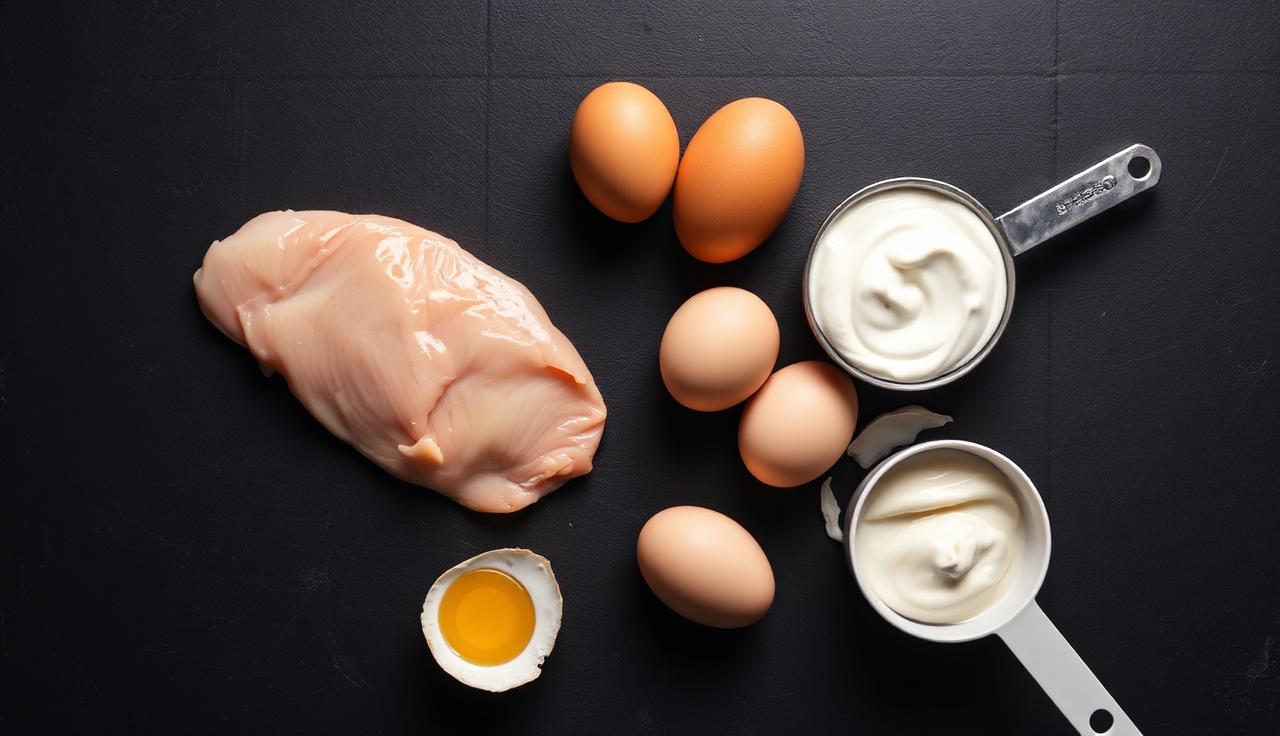
If you think protein is just for elite bodybuilders chugging shakes, it's time for a new perspective. Protein is the master nutrient, the fundamental building block that powers every fitness goal, from building strong muscle and improving performance to supporting fat loss. This is your ultimate guide to understanding and using protein to maximize the results from your personalized Fullbody AI workout plan.
What "Protein" actually means - clear definition + why it matters
At its core, protein is one of the three essential macronutrients your body needs, alongside fats and carbohydrates. It's made up of smaller compounds called amino acids, often called the "building blocks of life." Think of them as LEGO bricks that your body can assemble and reassemble to build and repair tissues.
While famous for its role in muscle growth, protein's job description is VAST. It forms the structure of your hair, skin, and nails. It’s used to create crucial enzymes that digest your food and hormones that regulate your mood and metabolism. It’s even the backbone of your immune system, creating antibodies that fight off infection. For anyone who is physically active, getting enough protein is non-negotiable for recovery, adaptation, and progress.
The science behind it - physiology / mechanics / energy systems
Every time you train, you create tiny micro-tears in your muscle fibers. This is the stimulus for growth. Your body responds by initiating a process called Muscle Protein Synthesis (MPS) to repair these fibers and build them back stronger and larger than before. Simultaneously, a competing process called Muscle Protein Breakdown (MPB) is also occurring, where old or damaged proteins are broken down.
Your goal is to ensure the rate of MPS is consistently higher than the rate of MPB. This is where dietary protein comes in. The amino acids from the protein you eat provide the raw materials needed for MPS. One amino acid in particular, Leucine, acts as a primary trigger or "on-switch" for this muscle-building process. Consuming enough protein, especially sources rich in Leucine, ensures this switch stays on.
Protein also has the highest Thermic Effect of Food (TEF) of all macronutrients. This means your body burns a significant number of calories (up to 20-30% of the protein's calories) just digesting and processing it. This metabolic boost makes protein a powerful tool for fat loss, helping you burn more calories around the clock.
Key benefits - 5-8 specific, measurable benefits
| Benefit | Mechanism | Realistic Timeline |
|---|---|---|
| Increased Muscle Mass | Providing amino acids to elevate Muscle Protein Synthesis (MPS) above Muscle Protein Breakdown (MPB). | Noticeable strength gains in 4-6 weeks; visible size changes in 8-12 weeks. |
| Enhanced Fat Loss | High Thermic Effect of Food (TEF) burns more calories during digestion; increases satiety to reduce overall calorie intake. | Aided fat loss can be seen on the scale within 2-4 weeks. |
| Improved Recovery | Supplies the building blocks needed to repair muscle tissue damaged during exercise, reducing soreness and time between sessions. | Reduced muscle soreness (DOMS) can be felt within 1-2 weeks of consistent intake. |
| Greater Satiety | Reduces the hunger hormone ghrelin and increases appetite-suppressing hormones like PYY and GLP-1, keeping you fuller for longer. | Immediate effect; feeling fuller after each high-protein meal. |
| Stronger Bones | Supports bone health by aiding calcium absorption and providing a key component of bone's structural matrix. | Long-term benefit, contributes to maintaining bone density over months and years. |
| Strengthened Immunity | Amino acids are required to produce antibodies and immune cells that help fight off pathogens. | Long-term systemic benefit, not an immediate noticeable change. |
Common mistakes to avoid
- • Not eating enough total protein. Fix - track your intake for 3-5 days to see where you stand, then adjust to meet your target.
- • Poorly distributing intake. Fix - spread your protein across 3-5 meals/snacks per day, aiming for 20-40g each time.
- • Relying only on supplements. Fix - prioritize whole food sources; use powders as a convenient tool, not a primary source.
- • Fearing protein will make you "bulky". Fix - understand that significant muscle growth requires a calorie surplus and specific training, not just protein.
- • Neglecting protein on rest days. Fix - keep your protein intake high every day, as muscle repair and growth is a 24/7 process.
- • Forgetting protein quality. Fix - focus on complete proteins (all essential amino acids) or combine plant sources to create a complete profile.
- • Ignoring hydration. Fix - increase water intake when increasing protein to support kidney function and nutrient transport.
- • Choosing sugary protein bars and shakes. Fix - read the labels and choose options that are low in added sugar and high in quality protein.
Programming guide
"Programming" protein is about structuring your intake to match your goals. Instead of sets and reps, we're talking about grams and timing. Your total daily intake is the most important variable. Use this table to find your starting point, then adjust based on your progress.
| Experience Level / Goal | Protein Target (g/kg) | Protein Target (g/lb) |
|---|---|---|
| General Health / Sedentary | 1.0 - 1.2 g/kg | ~0.5 g/lb |
| Beginner / Lightly Active | 1.2 - 1.6 g/kg | ~0.7 g/lb |
| Intermediate / Building Muscle | 1.6 - 2.2 g/kg | ~1.0 g/lb |
| Advanced / Fat Loss Phase | 2.0 - 2.5 g/kg | ~1.1 g/lb |
To calculate your daily target, multiply your bodyweight in kg or lb by the corresponding number. For example, a 180 lb (82 kg) person aiming to build muscle would target around 180g of protein per day (82 kg * 2.2 g/kg = ~180 g).
Best exercises / techniques
Think of these as your go-to "exercises" for hitting your daily protein target. The best technique is a food-first approach, focusing on high-quality, nutrient-dense sources.
- • Chicken or Turkey Breast - extremely lean and protein-dense. It's a versatile foundation for any meal prep.
- • Lean Red Meat (90%+): An excellent source of protein, iron, and creatine for performance and strength.
- • Fatty Fish (Salmon, Tuna): Provides high-quality protein along with anti-inflammatory omega-3 fatty acids that aid recovery.
- • Eggs - a nutritional powerhouse. The gold-standard complete protein source that is cheap and easy to prepare.
- • Greek Yogurt / Cottage Cheese - rich in slow-digesting casein protein, ideal for a pre-bed snack to fuel overnight recovery.
- • Lentils and Chickpeas - plant-based titans that are packed with protein and fiber, promoting both muscle repair and digestive health.
- • Tofu and Edamame - complete plant-based proteins derived from soy, making them a staple for vegetarian and vegan athletes.
- • Protein Powder (Whey, Casein, Plant): A highly convenient technique for quickly consuming protein post-workout or boosting the protein content of smoothies and oats.
Sample week template
Here’s what a week of structured protein intake could look like for someone targeting ~160g per day. This isn't a rigid meal plan, but a template for consistency.
| Day | Focus | Volume | Notes |
|---|---|---|---|
| Monday | Post-Workout Fuel | ~160g | Have a 30-40g protein shake or meal within 1-2 hours of your Fullbody AI workout. |
| Tuesday | Even Distribution | ~160g | Aim for 4 meals of ~40g of protein each, spaced 3-4 hours apart. |
| Wednesday | Food Prep | ~160g | Cook a large batch of chicken breast or ground turkey for the next few days. |
| Thursday | Plant-Based Focus | ~160g | Try incorporating lentils, tofu, or a plant-based protein powder into your meals. |
| Friday | Pre-Bed Casein | ~160g | Eat a bowl of Greek yogurt or cottage cheese 30 minutes before sleep to prevent muscle breakdown. |
| Saturday | Rest Day Consistency | ~160g | Don't lower your protein. Recovery happens on rest days too! |
| Sunday | Mindful Eating | ~160g | Enjoy your meals, but still prioritize a high-protein source with each one. Prepare for the week ahead. |
Create Your Workout Plan by Voice - Free, No Signup
Just tell our AI what you want - your goals, schedule, equipment - and get a personalized plan in seconds. No forms, no hassle. Just speak.
Recovery, nutrition & sleep
Your training in the gym is the stimulus, but growth happens when you recover. Protein, sleep, and hydration are the three pillars of optimal recovery.
- • Protein - as covered, this is your primary tool for repair. Aim for 1.6-2.2 grams of protein per kilogram of bodyweight (0.7-1.0 g/lb). This is the single most important nutritional variable for adapting to training.
- • Sleep - during deep sleep, your body releases Human Growth Hormone (HGH), a key player in muscle repair and fat metabolism. Skimping on sleep crushes recovery. Aim for 7-9 hours of quality, uninterrupted sleep per night.
- • Hydration - water is essential for transporting nutrients (like amino acids) to your muscles and flushing out metabolic waste. A high-protein diet requires adequate water to support healthy kidney function. Aim for 3-4 liters of water per day if you are active.
Equipment & alternatives
While you don't need fancy gear, a few tools can make hitting your protein goals much easier and more accurate.
| Equipment | Cost | Pro | Con |
|---|---|---|---|
| Digital Kitchen Scale | $10-20 | The only way to accurately track food intake. Essential for consistent results. | Can feel tedious at first. |
| Protein Powder | $30-60 per tub | Highly convenient, fast-digesting (whey), and cost-effective per gram of protein. | Not a whole food; some may have artificial ingredients. |
| Shaker Bottle | $5-15 | Perfect for mixing smooth protein shakes on the go. | Needs to be cleaned promptly to avoid odors. |
| Meal Prep Containers | $15-30 for a set | Saves time and ensures you always have a high-protein meal ready. | Requires planning and upfront cooking time. |
| High-Speed Blender | $50-200+ | Creates delicious, nutrient-dense smoothies, making it easy to add protein. | Can be expensive and takes up counter space. |
FAQ
Q: Will eating too much protein damage my kidneys?
A - for healthy individuals, a high-protein diet (up to 2.5 g/kg or even higher) has not been shown to cause kidney damage. This is a persistent myth. If you have a pre-existing kidney condition, you should consult your doctor.
Q: Do I need to take protein powder to build muscle?
A - absolutely not. Protein powder is a convenient supplement, but it is not magic. You can easily meet your protein needs and build significant muscle through whole food sources alone. Powder just makes it easier to hit your numbers, especially for busy people.
Q: What's the difference between whey, casein, and plant protein?
A - whey is a fast-digesting milk protein, ideal for post-workout. Casein is a slow-digesting milk protein, excellent for sustained amino acid release (like before bed). Plant proteins (like pea, soy, or rice) are great for those with dairy allergies or who follow a plant-based diet; it's best to choose a blend to ensure a complete amino acid profile.
Q: Is the "anabolic window" real?
A - yes and no. The idea that you must have a protein shake within 30 minutes of training is outdated. The "window" is much larger, likely several hours. However, it is still a great strategy to have a protein-rich meal 1-2 hours post-workout to kickstart the recovery process.
Q: Can I get enough protein on a vegan or vegetarian diet?
A - yes, absolutely. It simply requires more mindful planning. Focus on protein-dense plant sources like tofu, tempeh, seitan, lentils, beans, and quinoa. Using a quality plant-based protein powder can also be very helpful.
Q: What's more important: protein timing or total daily intake?
A - total daily intake is king. Hitting your overall daily protein goal is about 90% of the battle. Perfect timing with an inadequate total intake will not produce results. Once your total intake is consistent, you can focus on optimizing timing by spreading it evenly throughout the day.
Bottom line
Protein isn't just a supplement or a single food group-it's the bedrock of your body's ability to adapt, recover, and grow stronger. Consistently hitting your daily protein target is one of the most powerful things you can do to accelerate your fitness progress, regardless of your goal. Now that you have the nutritional blueprint, let Fullbody AI and our trusty sloth mascot handle the other side of the equation with a workout plan that's perfectly tailored to you. Let's get building.