
Your legs are more than just a way to get you from the couch to the fridge- they're the foundation of your strength, a metabolic powerhouse, and the key to unlocking your full athletic potential. Whether you're chasing a new squat PR or just want to climb stairs without getting winded, a smart approach to leg training is non-negotiable. Let's build that foundation, starting from the ground up.
What "Legs" actually means - clear definition + why it matters
When we talk about training "legs," we're not just talking about your quads. A truly effective leg day addresses the entire lower body as an integrated system. This includes the glutes (maximus, medius, and minimus), hamstrings, quadriceps, adductors (inner thigh), abductors (outer thigh), and calves (gastrocnemius and soleus). Think of it as the entire chassis of your body.
Why does this holistic view matter? Because these muscles don't work in isolation. Your glutes and hamstrings power hip extension for sprints and lifts, your quads provide braking power and knee stability, and your adductors and abductors keep you stable during single-leg movements. Neglecting one area creates imbalances that can lead to poor performance, an un-aesthetic physique, and- worst of all- a higher risk of injury.
The science behind it - physiology / mechanics / energy systems
Training your legs is a masterclass in applied biomechanics. Your lower body contains some of the largest muscles in your body, composed of different fiber types. Type II (fast-twitch) fibers dominate in explosive movements like heavy squats and jumps, while Type I (slow-twitch) fibers handle endurance activities. A smart program trains both for well-rounded development.
The primary movement patterns you'll train are the squat (knee/hip flexion), the hinge (hip-dominant), the lunge (unilateral), and plantar/dorsiflexion (ankle movement). Mastering these patterns is fundamental. These movements create a kinetic chain, transferring force from the ground, through your body, to the weight you're moving. A weak link anywhere in that chain limits your potential.
From an energy perspective, leg training is incredibly demanding. Heavy, compound lifts tap into your anaerobic energy systems- specifically the ATP-PC system for short, intense bursts (1-6 reps) and the glycolytic system for moderately long efforts (30-90 seconds). This massive energy expenditure is what triggers significant metabolic and hormonal responses, leading to greater EPOC (Excess Post-exercise Oxygen Consumption), or the “afterburn effect,” driving total calorie burn even after you've left the gym.
Key benefits - 5-8 specific, measurable benefits in a Markdown table
| Benefit | Mechanism | Realistic Timeline |
|---|---|---|
| Increased Metabolism | Leg muscles are huge. Building and maintaining them requires more energy (calories) at rest, boosting your Basal Metabolic Rate (BMR). | Noticeable effect in 6-10 weeks. |
| Improved Hormonal Profile | Heavy compound leg exercises (squats, deadlifts) stimulate a significant release of anabolic hormones like testosterone and growth hormone. | Acute post-workout spike; chronic improvements over 3-6 months. |
| Enhanced Athleticism | Stronger legs directly translate to higher jumps, faster sprints, and greater power output in virtually every sport. | Performance gains can be seen in as little as 4-8 weeks. |
| Reduced Injury Risk | Strong muscles and connective tissues around the knees, hips, and ankles provide stability and absorb impact, protecting your joints. | Improved stability felt within a month; significant risk reduction over 6+ months. |
| Increased Bone Density | The axial loading from exercises like barbell squats places mechanical stress on bones, signaling them to become stronger and denser. | Requires long-term consistency (12+ months) for measurable change. |
| Better Functional Strength | Everyday tasks like carrying groceries, lifting heavy boxes, or playing with your kids become significantly easier and safer. | Daily life improvements noticeable within 2-4 weeks. |
| Improved Core Stability | Bracing your core during heavy leg lifts is one of the most effective ways to build deep abdominal and lower back strength. | Tighter, more stable core can be felt almost immediately with proper form. |
Common mistakes to avoid - bulleted list of 6-10 mistakes with 1-line fix each
- • Partial Range of Motion - performing half-squats or shallow leg presses cheats you out of growth and can stress the knees.
- • Fix - lower the weight and focus on achieving full depth (e.g., squatting to at least parallel) before adding more plates.
- • Knee Valgus (Knees Caving In): A common fault during squats and lunges that puts dangerous stress on your knee ligaments.
- • Fix - place a light resistance band just above your knees and actively push your knees out against it during the movement.
- • Lifting With Your Ego - using a weight that is too heavy, forcing you to use momentum and poor form.
- • Fix - choose a weight that allows you to control both the lifting (concentric) and lowering (eccentric) phases of each rep.
- • Neglecting Unilateral Work - only performing bilateral exercises (e.g., barbell squats) can hide and worsen strength imbalances between legs.
- • Fix - incorporate single-leg exercises like Bulgarian split squats or lunges into every leg workout.
- • Forgetting Hamstrings and Glutes - over-emphasizing quad-dominant exercises like leg extensions can lead to a muscular imbalance.
- • Fix - ensure your program includes at least one hip hinge movement (like an RDL) for every squat movement.
- • Rushing the Eccentric - dropping into the bottom of a squat or lunge quickly removes a key stimulus for muscle growth.
- • Fix - control the lowering portion of each lift for a count of 2-3 seconds to maximize time under tension.
- • Poor Core Bracing - failing to create intra-abdominal pressure leaves your spine vulnerable and leaks power.
- • Fix - before each rep, take a deep breath into your belly (not your chest), and brace your abs as if you're about to be punched.
- • Skipping Your Warm-Up - jumping straight into heavy sets increases injury risk and reduces performance.
- • Fix - perform 5-10 minutes of dynamic stretching (leg swings, hip circles) and light activation work (glute bridges, bodyweight squats).
Programming guide - sets, reps, frequency, progression rules
Effective leg programming hinges on the principle of progressive overload- the gradual increase of stress placed upon the body. You can achieve this by adding weight, performing more reps or sets, improving your form, or decreasing rest time between sets.
A good starting point for frequency is training legs 1-2 times per week, allowing at least 48-72 hours for recovery between sessions. Your total weekly volume (number of hard sets) is a key driver of growth. Use Reps in Reserve (RIR) to guide your intensity- aim to finish most sets with 1-3 reps left in the tank.
| Experience Level | Weekly Direct Leg Sets | Frequency | Rep Ranges | Intensity (RIR) |
|---|---|---|---|---|
| Beginner | 10-12 sets | 1-2x per week | 8-15 | 3-4 RIR |
| Intermediate | 12-18 sets | 2x per week | 6-12 | 1-3 RIR |
| Advanced | 16-22+ sets | 2-3x per week | 5-15 (varied) | 0-2 RIR |
Best exercises / techniques - list with 1–2 sentence "why" for each
- • Barbell Back Squat - the king of leg exercises. It builds total-body strength, loads the spine to improve bone density, and allows for the heaviest loading.
- • Romanian Deadlift (RDL): The best pure hamstring and glute developer. It teaches the essential hip-hinge pattern while building posterior chain strength and flexibility.
- • Bulgarian Split Squat - a brutal but effective unilateral exercise. It demolishes strength imbalances between your legs and heavily targets the quads and glutes.
- • Walking Lunge - a dynamic, functional movement that improves balance and coordination. It hits every muscle in the leg from a variety of angles.
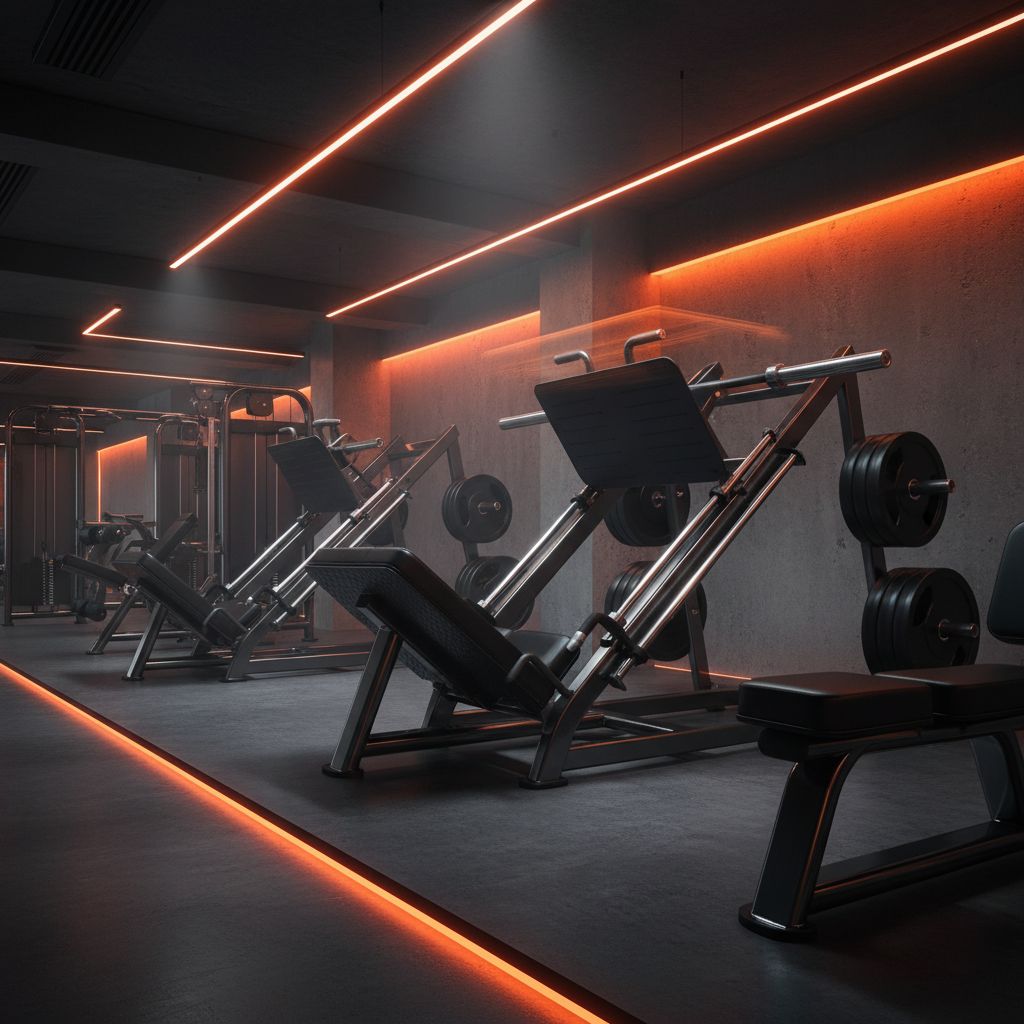
- • Leg Press - a great machine-based alternative to squats. It allows you to safely train your quads and glutes with heavy weight without heavily taxing your lower back.
- • Seated or Lying Hamstring Curl - an essential isolation movement for the hamstrings. It targets the knee flexion function of the muscle, which is often missed by hinge movements alone.
- • Standing Calf Raise - the most direct way to build the gastrocnemius (the upper, larger calf muscle). Use a full range of motion, pausing at the top and bottom.
- • Goblet Squat - an excellent teaching tool for the squat pattern. Holding a dumbbell in front of you forces an upright torso and proper core engagement.
Sample week template - Markdown table with Day | Focus | Volume | Notes
This is an example of an intermediate split with two dedicated leg days.
| Day | Focus | Volume | Notes |
|---|---|---|---|
| Monday | Leg Day (Quad & Glute Focus) | 14 sets | Start with heavy squats, then move to unilateral and isolation work. |
| Tuesday | Upper Body (Push Focus) & Core | 16 sets | Focus on chest, shoulders, triceps. Allow legs to recover. |
| Wednesday | Active Recovery or Rest | - | Go for a 30-minute walk, do some light stretching or mobility work. |
| Thursday | Leg Day (Hamstring & Glute Focus) | 14 sets | Start with heavy RDLs, then move to lunges and hamstring curls. |
| Friday | Upper Body (Pull Focus) & Core | 16 sets | Focus on back and biceps. |
| Saturday | Active Recovery or Rest | - | Hydrate and eat well to prepare for the next week. |
| Sunday | Rest | - | Full rest day. Focus on sleep and nutrition for optimal recovery. |
Create Your Workout Plan by Voice - Free, No Signup
Just tell our AI what you want - your goals, schedule, equipment - and get a personalized plan in seconds. No forms, no hassle. Just speak.
Recovery, nutrition & sleep - practical numbers
You don't build muscle in the gym; you build it while you recover. Neglecting recovery is like trying to build a house without letting the concrete set. Here are the non-negotiables:
- • Protein - aim for 1.6-2.2 grams of protein per kilogram of body weight per day (or about 0.7-1.0g per pound). This provides the raw materials for muscle repair and growth. Distribute it across 3-5 meals.
- • Hydration - dehydration can crush your performance. Drink a minimum of 3-4 liters (about a gallon) of water daily, plus an additional liter for every hour of intense exercise.
- • Sleep - this is when your body releases growth hormone and does most of its repairing. Strive for 7-9 hours of quality, uninterrupted sleep per night. This is the most powerful performance-enhancing tool you have.
- • Active Recovery - on your off days, light activity like walking, cycling, or foam rolling can increase blood flow to sore muscles, helping to clear out metabolic waste and reduce soreness.
Equipment & alternatives - table comparing options
| Equipment | Cost | Pro | Con |
|---|---|---|---|
| Barbell & Rack | High | Unmatched for heavy compound lifts like squats and deadlifts; highly versatile. | Requires significant space and investment; can be intimidating for beginners. |
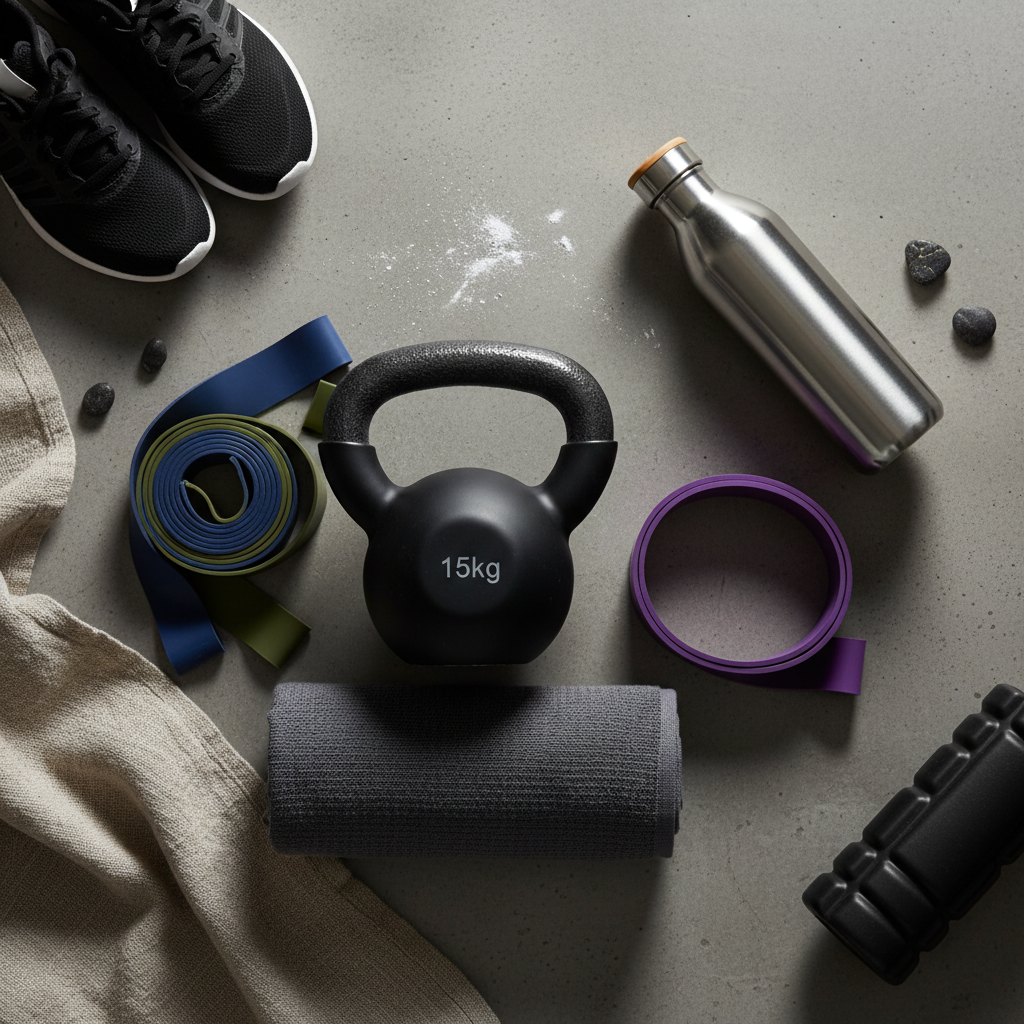
| Dumbbells/Kettlebells | Medium | Excellent for unilateral work, safer for some movements, great for home gyms. | Can become limiting for very heavy lower body lifts; requires many pairs for progression. |
| Resistance Bands | Low | Portable, affordable, and great for warm-ups, activation, and accommodating resistance. | Not sufficient on their own for maximal strength and hypertrophy for most people. |
| Leg Press Machine | Varies (Gym) | Isolates the legs, supports the back, and allows for very heavy loads safely. | Fixed movement pattern may not translate perfectly to real-world strength. |
| Bodyweight | Free | Accessible anywhere, anytime; perfect for beginners to master form. | Difficult to progressively overload for long-term muscle growth without advanced variations. |
FAQ - 6-8 real questions with 2-4 sentence answers each
Q: How often should I train legs?
A - for most people, training legs twice a week is the sweet spot for maximizing muscle growth and recovery. Beginners can see great results with one comprehensive session per week, while very advanced athletes might train them three times, carefully managing volume and intensity.
Q: Why are my legs so sore after leg day?
A - you're likely experiencing Delayed Onset Muscle Soreness (DOMS), which is caused by microscopic tears in your muscle fibers from unfamiliar or intense exercise. This is a normal part of the adaptation process. Stay hydrated, eat enough protein, and perform some light activity to ease the soreness.
Q: Can I build strong legs with just bodyweight?
A - absolutely, especially as a beginner. Bodyweight squats, lunges, and glute bridges build a fantastic foundation. To continue progressing, you'll need to use advanced variations like pistol squats and Nordic hamstring curls or eventually add external weight.
Q: Are squats bad for my knees?
A - on the contrary, squats performed with proper form are excellent for knee health. They strengthen the muscles and connective tissues that support the knee joint. Knee pain from squats is almost always a result of poor technique, excessive weight, or pre-existing mobility issues, not the exercise itself.
Q: Should I use a lifting belt?
A - a lifting belt is a tool, not a crutch. It helps you brace your core more effectively to lift heavier, but it doesn't replace the need to learn how to brace properly without one. Use it for your heaviest sets (e.g., above 85% of your 1-rep max) but perform your warm-ups and lighter sets without it.
Q: What's better, leg press or squats?
A - neither is inherently "better"- they serve different purposes. The squat is a full-body, functional strength builder, while the leg press is an excellent tool for isolating the leg muscles with heavy weight without stressing the back. A great program often includes both.
Q: How do I get bigger calves?
A - calves can be stubborn, so they require high volume, high frequency, and a full range of motion. Train them 2-3 times per week with both straight-leg (targeting the gastrocnemius) and bent-knee (targeting the soleus) variations. Emphasize the stretch at the bottom and the squeeze at the top of every single rep.
Bottom line - confident closing paragraph that invites the reader to use the AI workout planner
Building a strong, balanced lower body is a marathon, not a sprint, but the rewards- from a faster metabolism to a more resilient body- are worth every rep. You now have the blueprint for what, why, and how to train your legs effectively. Stop guessing, stop making common mistakes, and start building the strongest foundation of your life. If you're ready to take the guesswork out of your training and get a plan that's perfectly tailored to your goals and equipment, let our Fullbody AI planner (and our trusty sloth mascot) guide you on your journey.