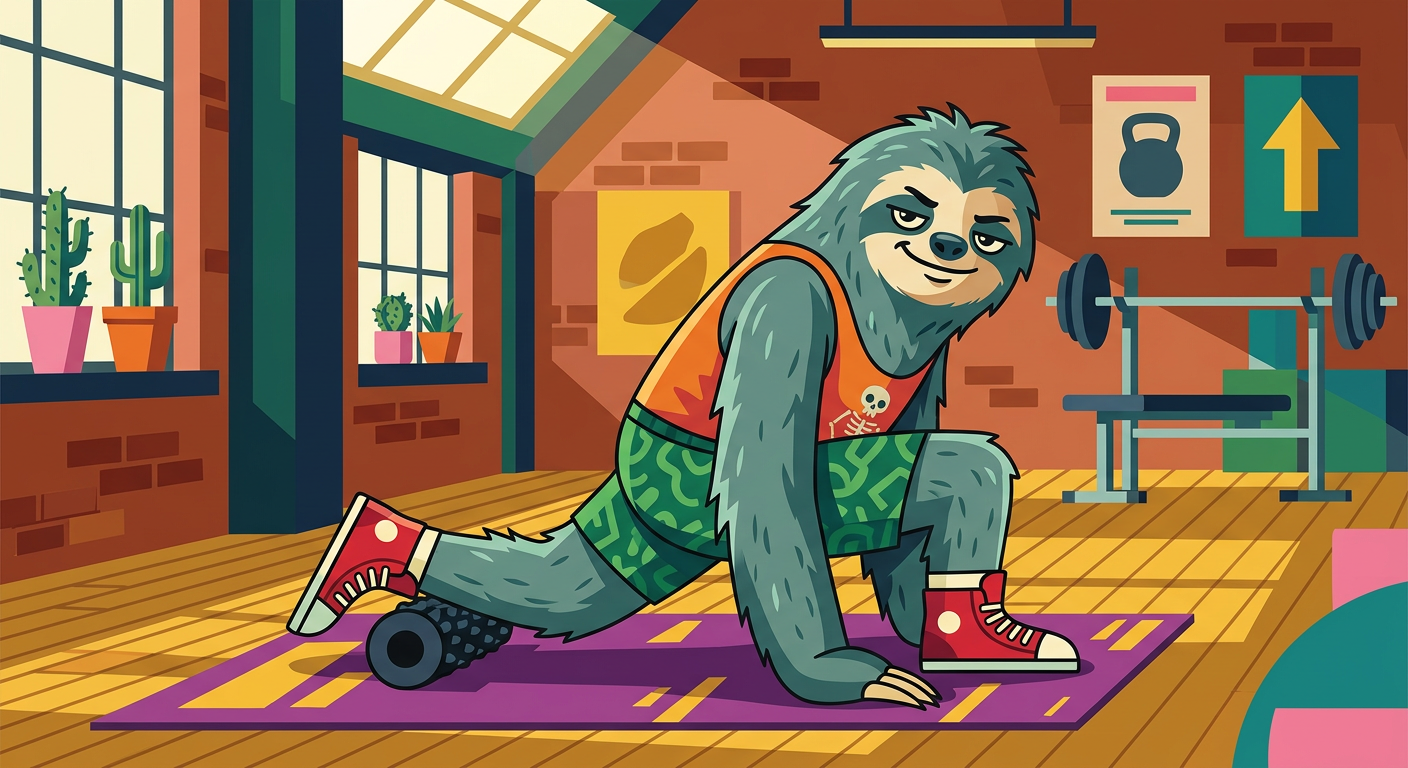
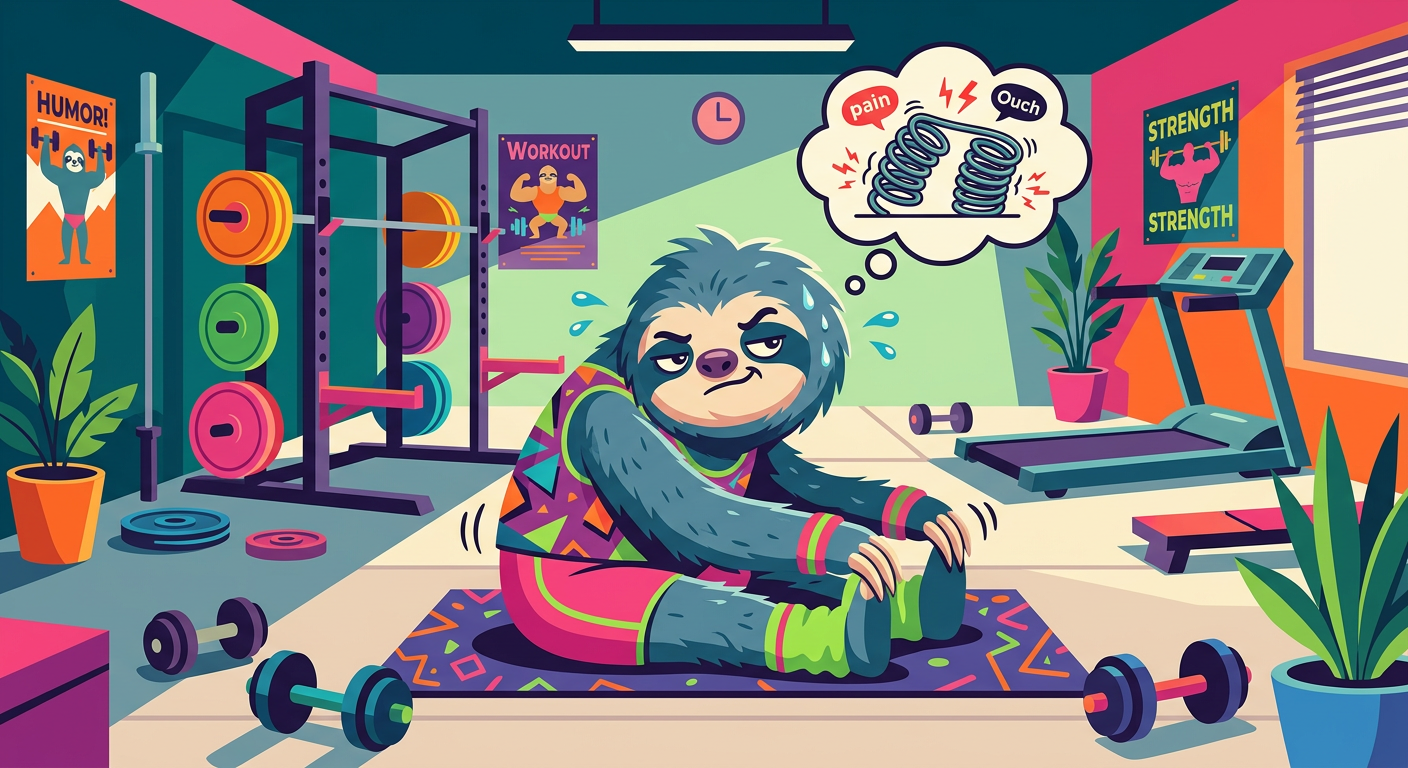
Welcome to the Recovery & Mobility section of the Fullbody AI blog, the essential resource for unlocking your true fitness potential. Here, we embrace the philosophy that strength is built not only during the last rep of a heavy lift but in the quiet, deliberate moments in between. Just like our wise sloth mascot knows, sustainable progress is about moving intelligently, not just quickly. This category is your dedicated space for learning how to listen to your body, repair with purpose, and build a resilient foundation for a lifetime of movement. We believe that recovery isn't a passive afterthought; it's an active, trainable skill that separates good athletes from great ones. Our articles will guide you through the science and practice of transforming your rest days into powerful growth days, ensuring every ounce of effort you put into your AI-generated workouts yields maximum results.
Dive deep into the world of mobility, a concept that goes far beyond simple flexibility. While flexibility is about a muscle's ability to lengthen passively, mobility is about your ability to actively control your joints through their full, intended range of motion. This is the cornerstone of injury prevention and efficient movement. In this category, you'll discover comprehensive guides on dynamic warm-ups that prime your nervous system and lubricate your joints for peak performance. We'll explore techniques like Controlled Articular Rotations (CARs) to maintain joint health, and PNF stretching (Proprioceptive Neuromuscular Facilitation) to make rapid, safe gains in your active range. You'll learn why stiff hips or immobile shoulders might be holding back your squat depth or overhead press, and more importantly, you'll get actionable routines to address these limitations. By improving your mobility, you're not just stretching; you're upgrading your body's fundamental hardware.
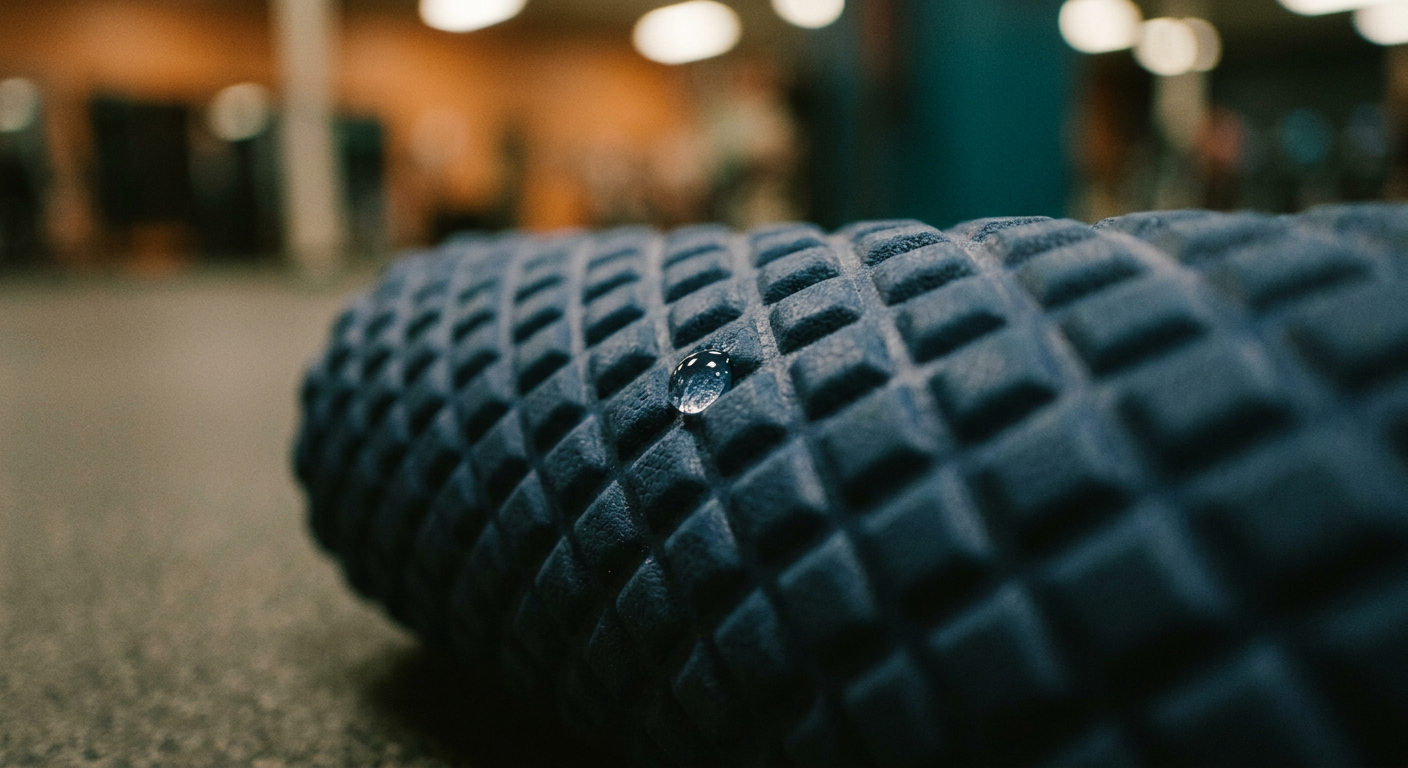
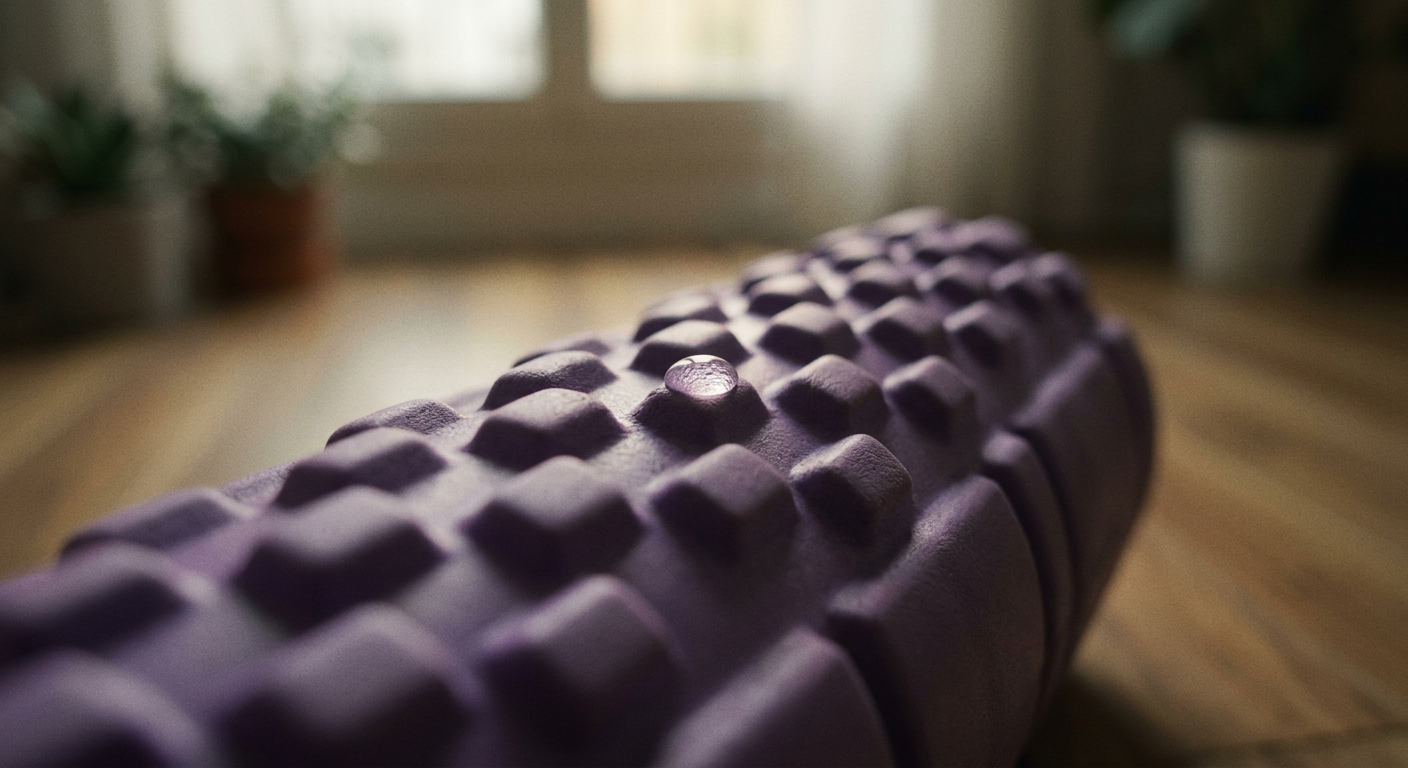
Of course, we'll also tackle the ever-present challenge of post-workout muscle soreness. Forget suffering through DOMS (Delayed Onset Muscle Soreness) in silence. Our articles will demystify this process and provide you with a toolkit of effective recovery modalities. We'll teach you the art of myofascial release using foam rollers, lacrosse balls, and massage guns. You'll learn how to target specific trigger points, break up fascial adhesions that restrict movement, and promote blood flow to tired muscles, accelerating the removal of metabolic byproducts. We’ll differentiate between the types of stretching, explaining why dynamic movements are best before a workout and long-hold static stretches are reserved for cooling down, helping to reset muscle length and calm the nervous system. This is your guide to feeling better, faster, so you can approach your next session with renewed energy and power.
But recovery is a holistic practice that extends beyond the gym mat. This category sheds light on the 'invisible' pillars of peak performance - sleep, nutrition, and active recovery. Discover the profound impact of sleep hygiene on hormone regulation, particularly in managing cortisol and maximizing the release of human growth hormone, which is critical for muscle repair and protein synthesis. We'll provide nutritional strategies and highlight specific micronutrients and macronutrient timings that support tissue regeneration and replenish glycogen stores. You'll also learn the value of active recovery days-think light cardio, a gentle swim, or a restorative yoga flow. These low-intensity sessions are not about laziness; they are a strategic method to increase circulation, aid in lymphatic drainage, and reduce stiffness without adding further stress to the body, bridging the gap between intense training days and helping you consistently perform at your best. This holistic approach ensures your body's internal environment is perfectly optimized for adaptation and growth, making your hard work in the gym truly count.
Finally, we connect the dots between your physical state and your mental well-being by exploring the crucial role of the autonomic nervous system. Intense training is a 'sympathetic' or 'fight-or-flight' activity, which is necessary for performance. However, chronic elevation of this state can lead to overtraining, burnout, and poor recovery. Here, you will learn techniques to consciously shift into a 'parasympathetic' or 'rest-and-digest' state post-workout. We'll introduce you to powerful breathwork protocols, such as box breathing and physiological sighs, that can immediately down-regulate your central nervous system, lower your heart rate, and initiate the body's innate healing processes. Understanding this mind-body connection is the final piece of the puzzle, allowing you to take control of your recovery from the inside out. By delving into our Recovery & Mobility articles, you're investing in your longevity as an athlete, building a more intelligent and responsive body that can handle the demands of your training and thrive for years to come.