
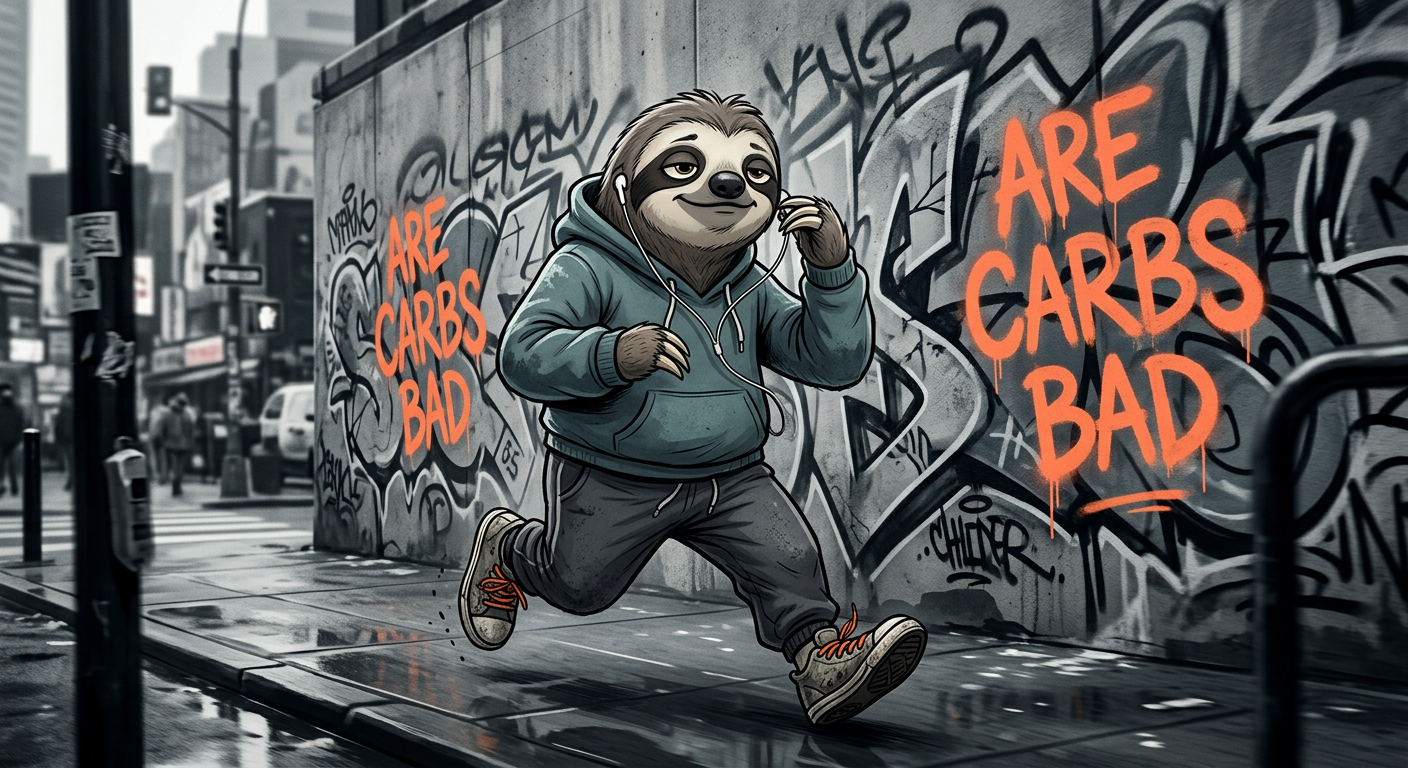
“I can't eat that, it has carbs.” How many times have you heard that- or said it yourself?
Carbohydrates have gotten a really bad rap over the years. Bread, pasta, rice, and potatoes are often the first things to get cut from a diet when someone decides it's time to lose weight. But are they really the villain they're made out to be?
Let's be real - cutting out an entire food group is not only miserable, it's usually unnecessary. As a fitness and nutrition pro, I'm here to set the record straight on carbohydrates and weight loss.
So, What Even ARE Carbohydrates?
Before we declare war on them, let's get clear on what carbs actually are. Simply put, carbohydrates are your body's number one preferred source of energy. They're the fuel that powers your brain, your muscles, and your daily functions.
But not all carbs are created equal. They generally fall into two camps:
- • Simple Carbs - think sugars. These are found in things like candy, soda, fruit juice, and refined grains like white bread. They digest super fast, giving you a quick spike of energy followed by the dreaded “crash.” They don't offer much in the way of nutrients.
- • Complex Carbs - these are your starches and fibers. You find them in foods like oats, brown rice, quinoa, sweet potatoes, beans, and vegetables. They take longer to digest, providing a slower, more sustained release of energy. Plus, they're packed with fiber, vitamins, and minerals that keep you full and healthy. These are what we call healthy carbs for fat loss.
The Low Carb vs High Carb Fat Loss Showdown
Okay, this is the big one. The rise of diets like Keto has convinced a lot of people that slashing carbs is the only way to lose fat. And look, low-carb diets can work. When you drastically cut carbs, your body sheds a lot of water weight in the first week or two, which feels super motivating.
The popular theory is that carbs spike insulin, and insulin is a “fat-storage hormone.” So, fewer carbs = less insulin = less fat storage. While there's a kernel of truth to this, it's an oversimplification. The real, undisputed champion of weight loss is the calorie deficit.
Whether your diet is high-carb or low-carb, you will only lose fat if you consistently consume fewer calories than your body burns. It's that simple. In fact, major studies, like this meta-analysis published in JAMA, have shown that when calories are matched, there is no significant difference in fat loss between low-carb and high-carb diets.
The best diet is the one you can actually stick with long-term. If you love potatoes and can't imagine life without them, a super restrictive low-carb diet is probably going to be a miserable failure for you.
How to Actually Use Carbs for Weight Loss
So carbs are back on the menu. Awesome. But that's not a free pass to dive headfirst into a pile of donuts. The key is to be smart about your choices and your overall intake.