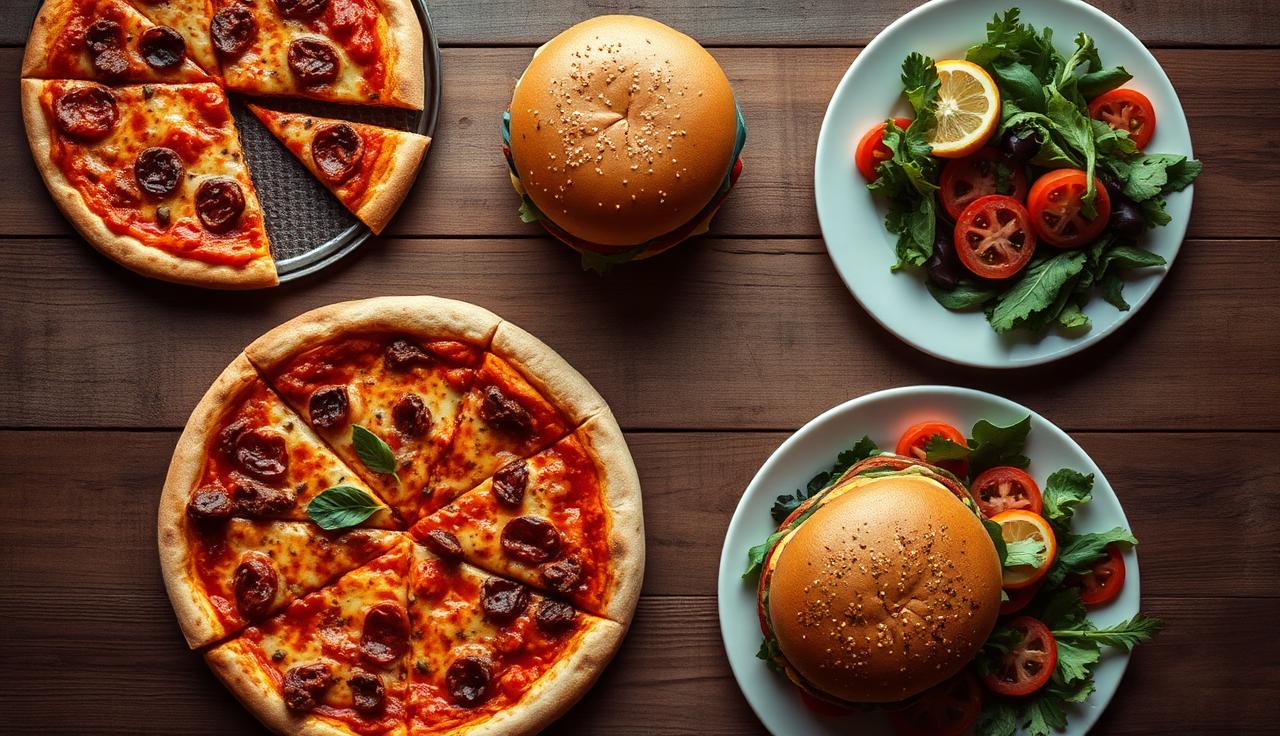
Let’s be honest. The term “cheat meal” just feels… wrong, doesn’t it? It implies you’re breaking the rules, that you're doing something bad. For years, I was stuck in that all-or-nothing cycle. I’d be 'perfect' all week, eating nothing but chicken and broccoli, and then one 'bad' meal would send me into a spiral of guilt, which often led to more bad meals.
It was a terrible way to live, and honestly, it wasn't even effective. My progress would stall, my motivation would tank, and I’d feel miserable. It took me a long time to realize the problem wasn't the food, it was the mindset. The idea of cheat meals weight loss isn't about getting away with something- it's about being smart and sustainable.
Re-framing the “Cheat Meal”
First thing's first - let's ditch the word 'cheat'. I prefer to call them 'planned indulgences' or 'strategic treat meals'. This simple shift in language removes the guilt and shame from the equation. It's no longer a slip-up; it's part of the plan.
Weight loss is a marathon, not a sprint. A plan that doesn't allow for any flexibility, any of the foods you genuinely love, is a plan that’s destined to fail. You're a human, not a nutrition robot!
The Power of Flexible Dieting for Weight Loss
This brings me to the core principle of flexible dieting weight loss. The most successful diet is the one you can stick with long-term. By allowing yourself planned moments to enjoy higher-calorie foods, you relieve the psychological pressure of a super-restrictive diet.
I’ve found that knowing I have a delicious meal to look forward to on Saturday night makes it infinitely easier to stick to my plan from Monday to Friday. It’s a release valve. It prevents the build-up of cravings that can lead to an uncontrolled binge. It’s not about finding a loophole; it’s about creating a lifestyle.
My Golden Rules for Strategic Cheat Meals for Fat Loss
So, how do we make this work in the real world? Over the years, I've developed a few non-negotiable rules that turn a potential diet-wrecker into a powerful tool for strategic cheat meals fat loss.
Rule 1: Plan It Out
This isn't a spur-of-the-moment decision when a donut looks at you the wrong way. A strategic meal is planned in advance. Decide on Wednesday that you're going to have pizza with friends on Friday night. Put it in your calendar. This act of planning gives you control. It’s a conscious choice, not a moment of weakness.
Rule 2: Make It a Meal, Not a Day
A 'cheat day' is a recipe for disaster. It is incredibly easy to eat an extra 3,000-4,000 calories over a full day of indulgence, which can literally erase an entire week’s calorie deficit. A single meal, however, is much more manageable. Enjoy your burger and fries, but don’t let it turn into an all-day free-for-all.
Rule 3: Get Right Back to It
This is the most important rule of all. After your planned meal is over, that's it. It’s done. Your very next meal should be right back on your regular, healthy eating plan. Don't fall into the trap of thinking, "Well, I already blew my diet, might as well eat junk the rest of the weekend." No! One meal does not define your week. Draw a line in the sand and move on.
Rule 4: Actually Enjoy It
When it’s time for your planned meal, sit down and savor it. Don't scroll through your phone or eat it standing over the kitchen sink. Taste every bite. Be present. This is crucial for managing cravings weight loss because you’re mindfully satisfying the craving, not just inhaling food out of guilt. You'll feel more satisfied and less likely to overdo it.
Making It All Work
The key is to see how this one meal fits into the bigger picture of your week. This is where modern tools can be a huge help. I personally use the FullBody AI app to track my nutrition. If I know I have a big dinner coming up, I can log it in advance (or estimate it) and see how it impacts my daily goals. The app might then suggest I have a lighter, protein-focused lunch to create a bit of a calorie buffer. It's not about 'earning' the meal, but about smart, data-driven planning that keeps me on track toward my goals without the stress.
Ultimately, a healthy lifestyle is about balance, not perfection. Incorporating planned indulgences isn't cheating- it's a sane, sustainable strategy for long-term success.