
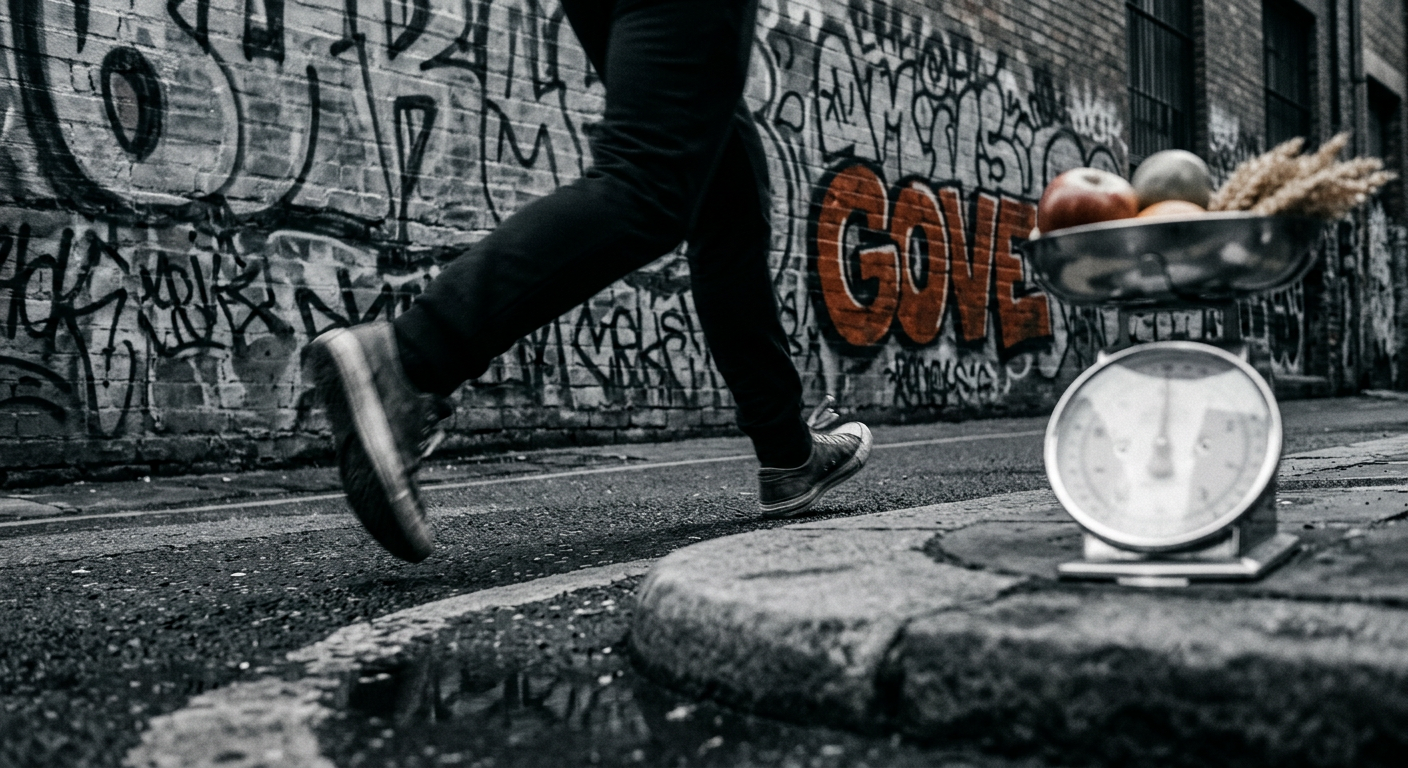
How to Walk More & Lose Weight: A Simple Guide to Getting Steps

    Ready to transform your training?

    Get a personalized AI workout plan in 30 seconds. Free trial, no credit card.

    How to Walk More & Lose Weight: A Simple Guide to Getting Steps

    So, you've heard the magic number: 10,000 steps. It's everywhere. Your watch yells at you about it, your friends brag about hitting it. But let's be real- for a lot of us with desk jobs and busy lives, hitting 10,000 steps a day feels like training for a marathon.

    But what if I told you that you don't need to hit that exact number to see incredible results? What if the key to sustainable fat loss wasn't a punishing, high-intensity workout, but something you already do every single day?

    As a fitness pro, I can tell you that walking is one of the most underrated, effective, and accessible tools we have. It’s time to stop thinking about exercise as something that only happens in a gym. Let's talk about how to get more steps for weight loss and why it works so well.

    Why Walking is Your Secret Weapon for Fat Loss

    Before we get into the 'how,' let's talk about the 'why.' Why is walking so good for you? It’s not just about burning a few extra calories.

    Walking is a form of LISS, which stands for Low-Intensity Steady-State cardio. This is the sweet spot where your body becomes really efficient at using its stored fat for energy. Unlike a brutal HIIT session that can leave you wiped out and ravenous, a brisk walk energizes you and helps manage your appetite.

    To walk more lose weight, you’re simply tipping the scales of your daily energy balance. By moving more, you create a small, consistent calorie deficit without having to drastically cut your food intake. This is the key to sustainable results. You increase daily activity fat loss not by destroying yourself for an hour, but by moving a little more, all day long.

    Plus, it’s low-impact. It’s gentle on your joints, reduces stress by lowering cortisol levels (a hormone linked to belly fat), and it's free. What's not to love?

    So, How Many Steps Do You *Actually* Need?

    Okay, let's bust the 10,000-step myth. It’s a great marketing number, but it's not a magical threshold for health. The most important thing is progress, not perfection.

    First, figure out your baseline. Use your phone or a fitness tracker for a few days to see what your current daily average is. Is it 3,000? 5,000? Awesome. That's your starting point.

    Your goal isn't to jump from 3,000 to 10,000 overnight. That's a recipe for burnout. Instead, try adding 500 to 1,000 steps to your daily average. Once that feels normal, add another 1,000. It's about building a lasting habit, not a temporary sprint.

    Sneaky Tricks to Incorporate More Steps

    Alright, this is the fun part. You don't need to block out an hour for a long, boring walk if you don't have the time. Instead, you can 'sprinkle' your steps throughout the day with these simple hacks.

    Create Your Workout Plan by Voice - Free, No Signup

    Just tell our AI what you want - your goals, schedule, equipment - and get a personalized plan in seconds. No forms, no hassle. Just speak.

    • •Become an Inefficient Commuter - park at the farthest spot in the parking lot. Seriously, all the way at the back. If you take public transport, get off one stop early and walk the rest of the way.
    • •Embrace the Pace - any time you're on the phone, stand up and pace around. Waiting for your coffee to brew? Pace. Brushing your teeth? Pace. These little moments add up to hundreds, even thousands, of steps.
    • •Take 'Micro-Walks': Set a timer to get up from your desk once every hour and walk for just 2-3 minutes. Walk to the kitchen for water, do a lap around your office floor, or just walk down your hallway and back. It breaks up sedentary time and boosts your step count.
    • •Make Chores Harder - i know, it sounds crazy. But instead of carrying all the grocery bags in one heroic trip, take two or three. When doing laundry, carry smaller loads back and forth. This 'inefficiency' is great for increasing your movement.
    • •The Post-Meal Stroll - after you eat, especially after dinner, go for a 10-15 minute walk. It’s fantastic for your digestion and a super easy way to get steps in before you settle down for the evening.

    Turning Your Walk into a Walking Workout for Weight Loss

    Once you’ve built a solid walking habit, you can turn it up a notch to create a more formal walking workout for weight loss. This is about adding intensity to maximize your results.

    Find Some Hills

    Walking on an incline is a game-changer. It engages your glutes and hamstrings more and sends your heart rate up, burning more calories in less time. Find a hilly route in your neighborhood or crank up the incline on the treadmill.

    Play with Your Pace

    Try intervals. For example, walk at a moderate pace for 3 minutes, then push to a very fast power-walk for 1 minute. Repeat this cycle 5-8 times. This boosts your metabolism more than walking at a steady pace for the same amount of time.

    Pair it with Strength

    This is where you can really accelerate your results. More muscle means a faster metabolism, which means you burn more calories even at rest. A simple strength routine 2-3 times a week is perfect. An app like FullBody AI can be a huge help here, creating a personalized strength plan that complements your walking routine, ensuring you're building a strong, fat-burning machine. The combination is pure magic. ✨

    Look, the journey to a healthier weight doesn't have to be complicated. It starts with a single step. And then another one. Focus on building the simple, consistent habit of walking more. Your body- and your mind- will thank you for it.

    Ready to transform your training?

    Get a personalized AI workout plan in 30 seconds. Free trial, no credit card.

    No card or signup required. Start in 30 seconds