Optimizing Your Protein Intake for Maximum Muscle Synthesis
Alright, fitness fanatics and aspiring lifters! Let's talk protein. You hear it everywhere: "Eat more protein for gains!" But what does that really mean? It's not just about slamming a shake after every workout. To truly maximize your muscle synthesis, you need a strategic approach to your protein intake muscle growth journey. And let me tell you, it's not as complicated as some make it out to be.
Why Protein is Your Best Friend for Gains
Think of protein as the bedrock of your muscles. When you hit the gym and lift heavy, you create tiny tears in your muscle fibers. This isn't a bad thing-it's precisely how growth happens! Your body then uses protein's amino acids to repair and rebuild those fibers, making them bigger and stronger. This whole process is called muscle protein synthesis (MPS). Without adequate protein, you're essentially trying to build a house without bricks. Not gonna happen.
So, How Much Protein For Muscle Growth Are We Talking?
This is the million-dollar question, isn't it? The general recommendation for active individuals aiming for muscle growth is typically a bit higher than for sedentary folks. Most research points to a range of 1.6 to 2.2 grams of protein per kilogram of body weight per day.
Let's put that into perspective. If you weigh, say, 70 kg (about 154 lbs):
- • Low end: 70 kg * 1.6 g/kg = 112 grams of protein per day
- • High end: 70 kg * 2.2 g/kg = 154 grams of protein per day
Seems like a lot, right? Don't stress! We'll break down how to hit those numbers naturally.
It's important to note that going significantly over this range doesn't necessarily lead to more muscle gain and can sometimes just mean more expensive pee, as your body will simply excrete the excess. Your body has a saturation point for protein synthesis.
Timing is Key (But Don't Obsess)
You might have heard about the "anabolic window"-that magical 30-60 minute period post-workout where you must consume protein or all your gains are lost. While there's certainly a benefit to consuming protein post-exercise to kickstart recovery, modern research suggests this window is much wider, perhaps several hours [1].
Instead of stressing about chugging a shake the second your last rep is done, focus on distributing your protein intake relatively evenly throughout the day. Aim for 20-40 grams of protein per meal or snack, roughly every 3-4 hours. This consistent supply keeps your body in a prime state for muscle synthesis diet protocols.
FullBody AI can be a game-changer here. Imagine having an app that helps you track your macros and even suggests meal plans based on your protein targets. No more guesswork! It helps you stick to your goals without constantly doing math in your head.
What's the Best Protein For Muscle Gain?
Not all protein is created equal. We're looking for high-quality proteins that contain a complete amino acid profile, especially a good amount of leucine-the amino acid often considered the primary trigger for MPS.
Here are some top-tier sources:
- • Lean Meats - chicken breast, turkey, lean beef, pork tenderloin. These are packed with protein and essential nutrients.
- • Fish - salmon, tuna, cod. Great for protein and healthy omega-3 fatty acids.
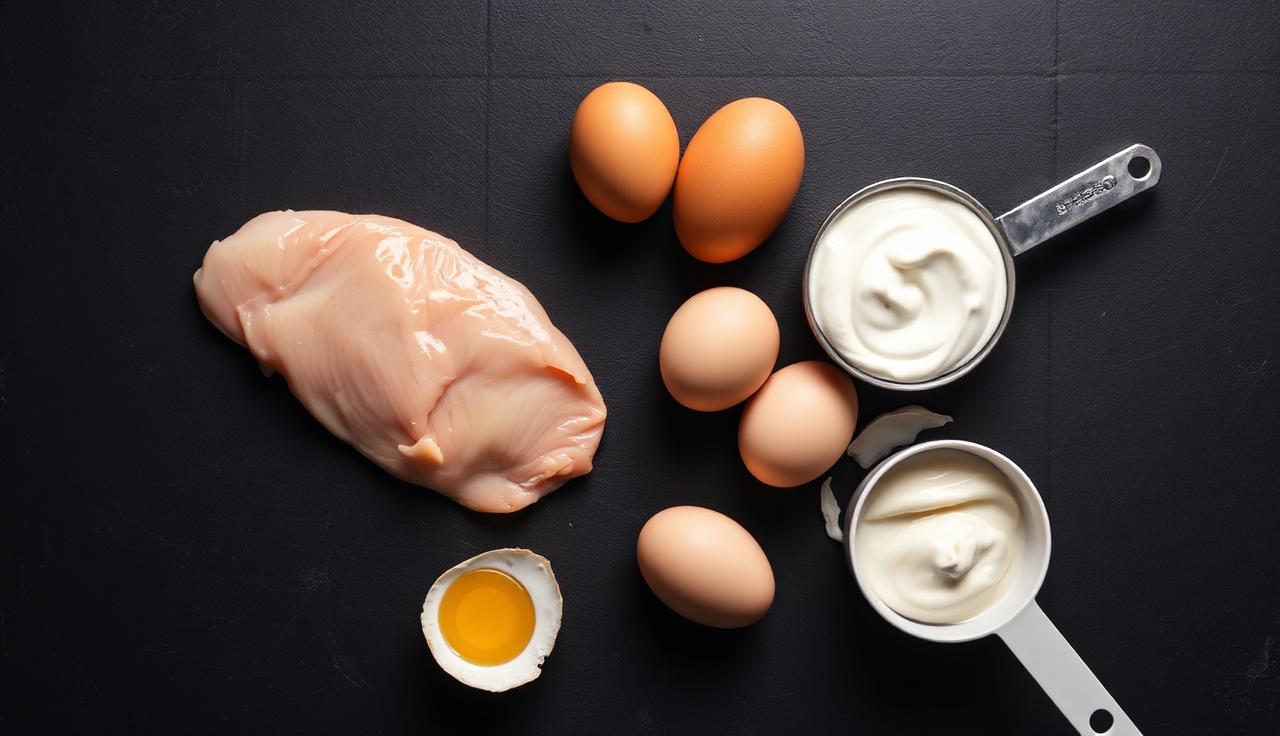
- • Eggs - the perfect complete protein, versatile and affordable.
- • Dairy - greek yogurt, cottage cheese, milk. Excellent sources of casein and whey protein (slow and fast digesting, respectively).
- • Legumes & Lentils - while plant-based, they can be good sources, especially when combined (e.g., rice and beans) to form a complete protein.
- • Whey or Casein Protein Powder - a convenient way to boost your intake, especially post-workout or between meals. FullBody AI often recommends these for those struggling to meet their targets through whole foods alone.
Remember, variety is key! Don't just stick to chicken and rice. Explore different sources to ensure you're getting a broad spectrum of nutrients.
Designing Your Muscle Synthesis Diet: Practical Tips
- • Prioritize Protein at Every Meal - make protein the star of your plate. Whether it's scrambled eggs for breakfast, a turkey sandwich for lunch, or baked salmon for dinner, build your meals around a solid protein source.
- • Smart Snacking - instead of chips or cookies, opt for protein-rich snacks like a handful of almonds, Greek yogurt, or a piece of cheese.
- • Plan Ahead - meal prepping can be incredibly helpful. Cook a batch of chicken or hard-boiled eggs for the week so you always have healthy options ready.
- • Hydration is Crucial - don't forget water! It plays a vital role in all bodily functions, including nutrient transport and muscle recovery.
- • Don't Forget Carbs and Fats - while protein is king for muscle building, you still need healthy carbs for energy and fats for hormone production and overall health. It's about a balanced approach.
Putting It All Together With FullBody AI
Seriously, one of the biggest headaches when trying to optimize your diet for muscle growth is the endless tracking and planning. This is where FullBody AI steps in.
Imagine inputting your goals into an app that then generates personalized meal plans, tracks your protein intake muscle growth progress, and even adapts as your body changes. It takes the guesswork out of hitting your macro targets and ensures you're consistently fueling your body for maximum muscle synthesis. It's like having a nutritionist and strength coach in your pocket, making it easier to stick to your muscle synthesis diet without feeling overwhelmed.
Final Rep
Optimizing your protein intake for muscle growth isn't rocket science, but it does require consistency and smart choices. Aim for that 1.6-2.2 g/kg body weight range, distribute your intake, prioritize high-quality sources, and don't be afraid to leverage tools like FullBody AI to make your journey smoother and more effective.
Now go forth and build some serious muscle! You've got this.
---
Sources:
[1] Schoenfeld, B. J., Aragon, A. A., & Krieger, J. W. (2013). The effect of protein timing on muscle strength and hypertrophy - a meta-analysis. Journal of the International Society of Sports Nutrition, 10(1), 53. Available at: https://jissn.biomedcentral.com/articles/10.1186/1550-2783-10-53
[2] Phillips, S. M., & Van Loon, L. J. C. (2011). Dietary protein for athletes - from requirements to optimum adaptation. Journal of Sports Sciences, 29(sup1), S29-S38. Available at: https://www.tandfonline.com/doi/full/10.1080/02640414.2011.619204