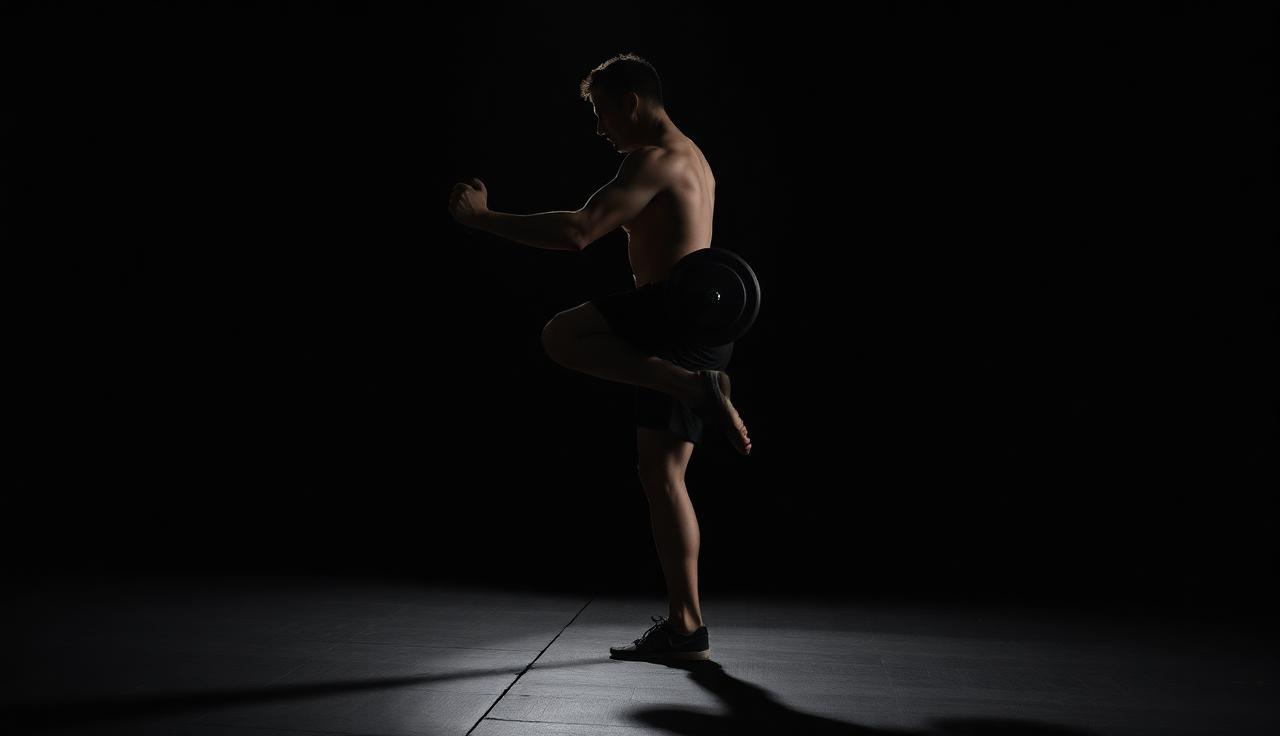
Why You Need to Get on One Foot: The Power of Single-Leg Training
Ever feel wobbly doing everyday stuff, or maybe notice one leg feels a lot stronger than the other? You're not alone! Most of us spend our lives walking, running, and lifting with both feet firmly planted. And while that's great for overall strength, it leaves a big gap in our fitness: unilateral strength training.
Think about it. When you walk, run, or climb stairs, you're constantly on one leg. That's why incorporating single leg exercises benefits your functional fitness hugely. It's not just about looking good, it's about moving better, feeling more stable, and seriously boosting your athletic performance.
What Exactly *Is* Unilateral Training?
Simply put, unilateral training means working one limb at a time. So, a bicep curl with one arm is unilateral, and a lunge is a perfect example of a bilateral (two-leg) exercise that has a strong unilateral component. But we're focusing on true single-leg movements here, where one foot is literally off the ground. Think about the difference between a traditional squat and a pistol squat - that's the kind of intensity we're talking about!
The Superpowers of Single-Leg Exercises
Let's dive into why you absolutely need to add more single-leg work to your routine. These aren't just for fancy athletes; they're for everyone.
1. Next-Level Balance and Stability
This is probably the most obvious one, right? When you stand on one leg, your body has to work overtime to keep you upright. Your core, hips, ankles - everything kicks in. Regularly challenging this system with single-leg work will dramatically improve balance legs and overall stability. You'll feel more grounded, less prone to stumbling, and move with greater confidence. This is huge for injury prevention, especially as we age.
2. Building True Unilateral Strength
Squatting with two legs lets your stronger leg compensate for the weaker one. When you train one leg at a time, there's no hiding! You're forced to develop strength equally on both sides. This evens out muscular imbalances, which can lead to better performance and fewer aches and pains down the road. Imagine having both legs pull their weight equally when you're running or jumping. Game changer!
3. Core Strength You Can Actually Use
You might think of crunches for core work, but trying to stabilize yourself on one leg? That's a whole different beast. Your deep core muscles (transverse abdominus, obliques) fire up big time to keep your torso stable and prevent rotational forces from knocking you over. This kind of functional core strength translates to everything you do.
4. Bulletproof Your Joints and Prevent Injuries
By strengthening the stabilizing muscles around your hips, knees, and ankles, you're creating a robust support system for your joints. Stronger glutes and hamstrings, in particular, are key for knee health. Plus, better balance means fewer falls and sprains. It's like giving your body built-in shock absorbers and stability control.
5. Better Athletic Performance (Even If You're Not an Athlete)
Running faster, jumping higher, changing direction more quickly - these all rely heavily on single-leg power and stability. But even for everyday folks, this means things like carrying groceries with ease, climbing stairs without feeling winded, or playing with your kids or grandkids without worrying about your footing. It all adds up to a higher quality of life. The single leg squat benefits are immense for power and explosiveness.
Getting Started: Easy Ways to Add Single-Leg Work
Ready to get started? You don't need fancy equipment. Here are a few exercises to get you going. Remember, focus on control and form over speed or weight.
- • Single-Leg Balance Hold - just stand on one leg! Start with 15-30 seconds per leg. Challenge yourself by closing your eyes (carefully!) or moving your arms around.
- • Rear-Foot Elevated Split Squat (Bulgarian Split Squat): One foot on a bench or chair behind you. Descend slowly, keeping your front knee over your ankle. This is fantastic for building unilateral strength training and glute activation.
- • Single-Leg RDL (Romanian Deadlift): Hinge at your hip, extending one leg straight back behind you for balance. Keep your back flat. This is amazing for hamstring and glute strength and improves balance legs.
- • Pistol Squat Progression - this is the big one! Start by holding onto something, then try with a counterweight (like a dumbbell held out front), gradually working towards free-standing. The single leg squat benefits for strength and mobility are unparalleled. [youtube:tuA9yGQZOII] - Imagine a video here demonstrating these great single-leg exercises, with proper form cues!
FullBody AI Tip: Track Your Progress!
One of the best ways to see the impact of single-leg training is to track your performance. With FullBody AI, you can log your sets, reps, and even video yourself to check your form. You'll be amazed at how quickly your stability and strength improve. Being able to look back and see that you've gone from wobbling for 10 seconds to holding a perfect single-leg balance for 30, or mastering a deeper single-leg squat, is incredibly motivating. Our smart platform can even suggest when to increase the difficulty based on your progress, ensuring you're always challenged in the right way without overdoing it.
Don't Skip Leg Day (Especially Single-Leg Day!)
Incorporating single-leg training isn't just an add-on; it's a foundational element of a well-rounded fitness routine. It addresses imbalances, builds functional strength, and makes you more resilient against injury. So, next time you hit the gym, or even if you're just training at home, try standing on one foot. You might just discover a whole new level of strength and stability you never knew you had!