
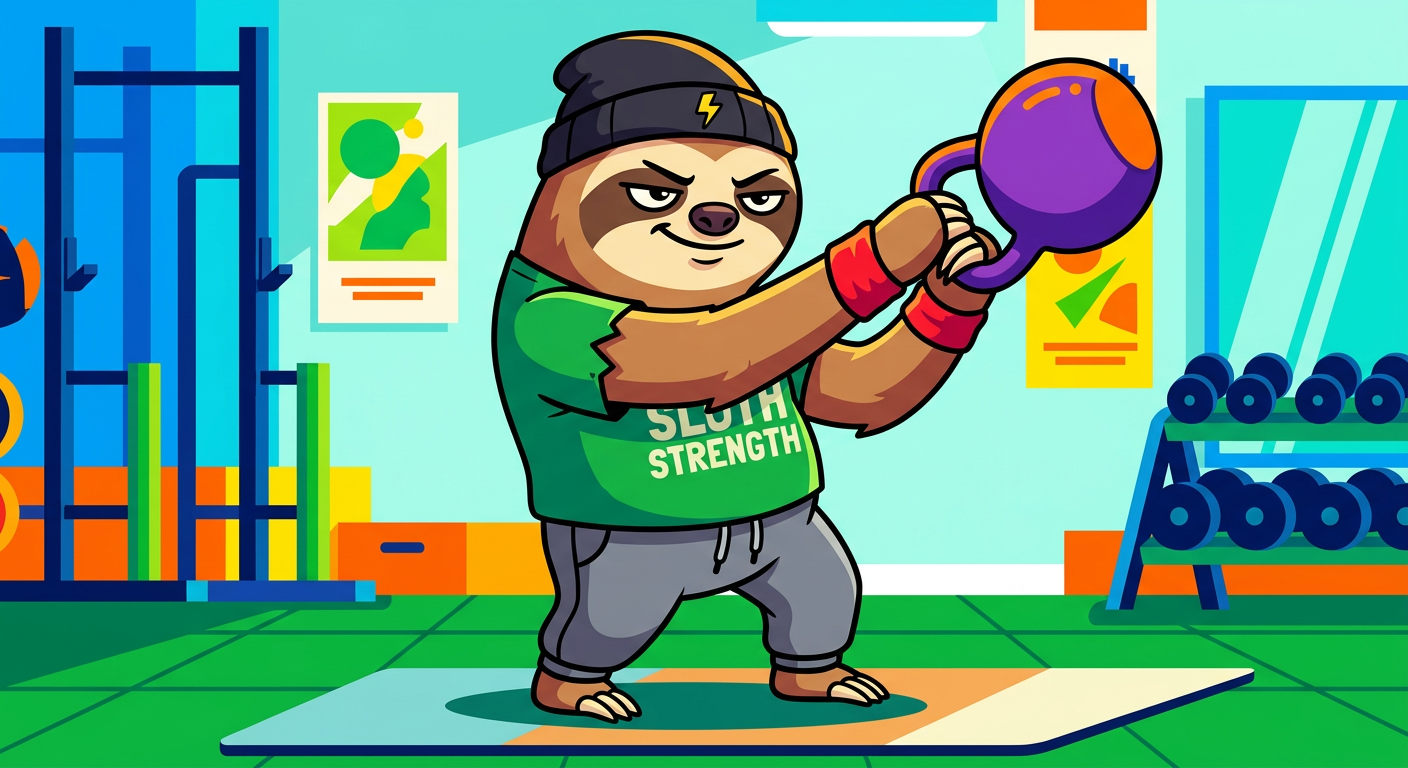
Let's be real- that odd-looking cannonball with a handle sitting in the corner of the gym? It's one of the most effective, and most misunderstood, tools for getting seriously fit. We're talking about the kettlebell, and its signature move- the kettlebell swing- is a powerhouse for building explosive strength and torching fat.
But here’s the catch - most people do it wrong. They treat it like a squat and a front raise, which kills its effectiveness and can be rough on your back. The secret to unlocking its magic lies in the proper kettlebell swing form. It’s not about your arms; it’s all about your hips.
Why Kettlebell Swings Are a Game-Changer
So why all the hype? Because the swing does two things incredibly well - it builds power and it burns a ton of calories. It’s a ballistic, explosive movement, making it one of the best kettlebell power exercises you can do. This move trains your body to generate force from your hips, which translates to better athletic performance in pretty much everything- running, jumping, you name it.
And for fat loss? Forget spending an hour on the treadmill. A good kettlebell swing session gets your heart rate soaring and your metabolism fired up. Because it engages so many muscles at once- your glutes, hamstrings, core, back, and shoulders- your body has to work overtime, creating a massive metabolic demand. This is what makes the kettlebell for fat loss such an effective strategy.
Nailing the Proper Kettlebell Swing Form
Alright, let's get to it. The key to the swing is the hip hinge. This is not a squat. Think about pushing your butt back towards the wall behind you, keeping your back straight. Your shins should stay almost vertical.
Here’s a step-by-step breakdown of the two-handed Russian Kettlebell Swing:
- •The Setup - stand with your feet a little wider than your shoulders, with the kettlebell about a foot in front of you. Hinge at your hips, keeping your back flat, and grab the handle with both hands.
- •The Hike Pass - tilt the bell back towards you. Now, hike it back between your legs like you're snapping a football. Your forearms should make contact with your upper inner thighs. This loads up your hamstrings and glutes.
- •The Snap - this is the moment of truth. Explosively snap your hips forward. Don't lift with your arms. The force comes from squeezing your glutes and abs as hard as you can, driving you to a standing plank position at the top. The power from your hips is what propels the bell forward and up.
- •The Float - your arms are just ropes holding onto the kettlebell. They guide it, but they don't lift it. Let the bell float up to about chest height. Don't pull it any higher.
- •The Return - let gravity do the work. As the bell falls, guide it back down and hinge at your hips again, letting it swing back between your legs to start the next rep. Absorb the force and repeat the snap.
Visualizing this can be tricky, so check out this video to see the hip hinge in action.