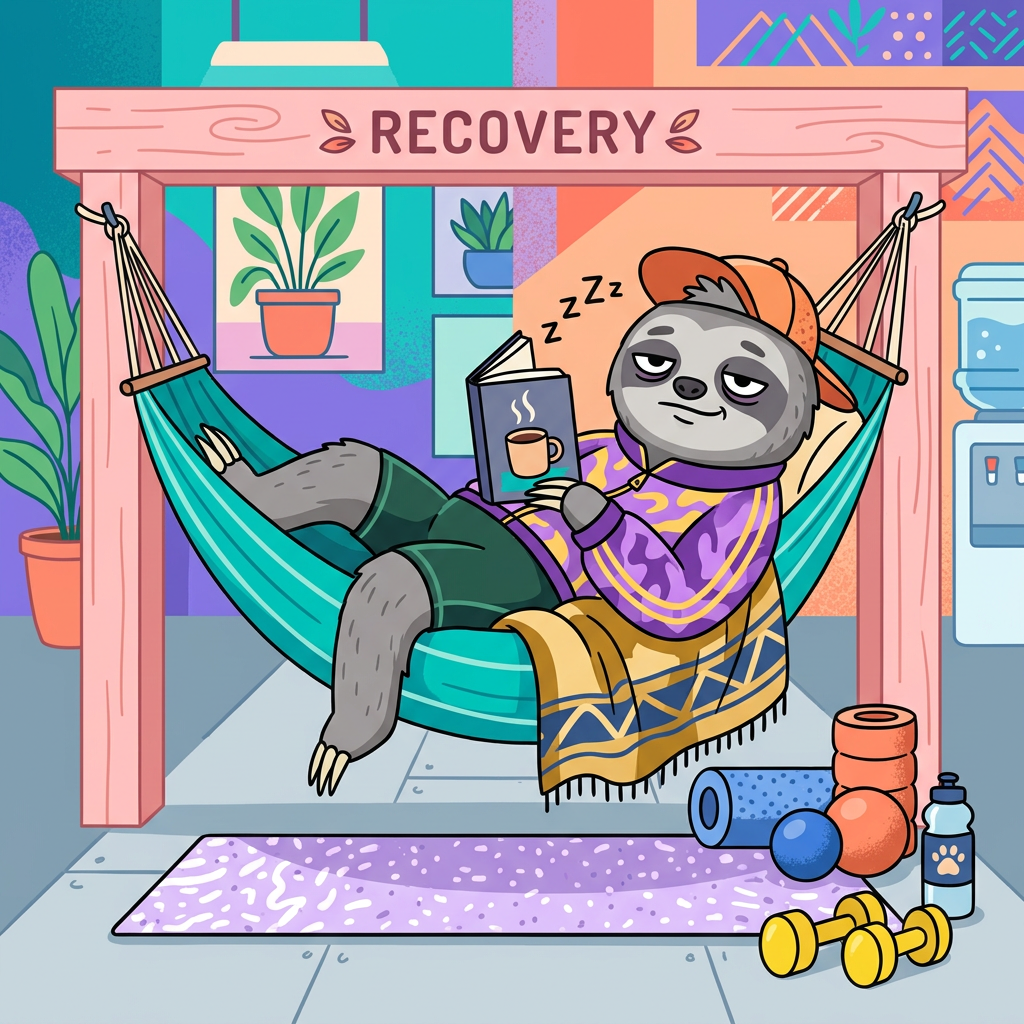
I used to be one of those guys. You know the type-in the gym 6-7 days a week, convinced that 'more' was always 'better'. If I wasn't sore after a workout, I felt like I was cheating, like I didn't work hard enough. It took a stubborn plateau in my bench press and a nagging shoulder twinge for me to finally get it - the gains don't happen in the gym. They happen when you rest.
It sounds backwards, but giving your body time off is one of the most productive things you can do for your strength goals.
Why 'No Days Off' Is a Terrible Idea for Strength
Look, I get the hustle mentality. It's everywhere. But when it comes to strength training, your body isn't a machine that can run 24/7. When you lift weights, you're actually creating tiny micro-tears in your muscle fibers. It's a controlled form of damage that signals your body to adapt.
The real magic, the muscle repair rest phase, happens after your workout. Your body uses the energy and nutrients you give it during downtime to repair those muscle fibers, but here’s the key-it builds them back a little bit stronger and thicker than before. This process is called hypertrophy. Without adequate rest, you're just breaking down muscle without ever giving it a chance to rebuild.
Skipping rest just leads to overtraining, which is a fast track to:
- •Hitting a plateau (or even getting weaker)
- •Getting injured
- •Constant fatigue and bad moods
- •Poor sleep
Trust me, I've been there. It's not a fun place to be.
The Difference: True Rest vs. Active Recovery
So we know rest is vital. But I've found it helps to think about it in two different ways. The importance of recovery days can’t be overstated, but they don't always mean lying on the couch.
True Rest Days
This is exactly what it sounds like. It's your 'do nothing' day. I give my body complete time off from structured exercise. This is when your central nervous system gets a break and your body can dedicate all its resources to repairing and growing. Don't feel guilty about this-see it as a critical part of your training plan.
Active Recovery Days
This is my secret weapon for staying on track. An active recovery for strength day involves very low-intensity movement. The goal isn't to build muscle or burn a ton of calories; it’s to gently increase blood flow to your sore muscles. This can help deliver more oxygen and nutrients to the area and flush out metabolic waste, which may help reduce soreness and stiffness.
Some of my favorite active recovery activities are:
- •A 30-minute walk outside
- •A gentle yoga or mobility flow
- •Foam rolling my tight spots (hello, quads and lats!)
- •A very easy bike ride with almost no resistance
The key is to feel better and more refreshed after you do it, not tired.
How Often Should You Take a Rest Day?
This is the million-dollar question, and the honest answer is - it depends on you. Your training intensity, sleep, nutrition, and stress levels all play a role. However, a great starting point for most people doing regular rest days strength training is to schedule 1-2 complete rest days and 1 active recovery day each week.
Listening to your body is your best tool. Are you unusually sore? Is your motivation to lift gone? Is your performance dropping? These are all clear signals you need a break.
This is actually one of the reasons I'm a big fan of the FullBody AI app. It helps take the guesswork out of it. By tracking my workouts and how I feel, it can intelligently suggest when I need a rest day, preventing me from pushing too hard and running myself into the ground.
Here’s a simple sample week that incorporates both kinds of rest:
| Day |
Activity |
Focus |
| Monday |
Strength Training |
Upper Body Push |
| Tuesday |
Strength Training |
Lower Body |
| Wednesday |
Active Recovery |
Light Walk & Foam Roll |
| Thursday |
Strength Training |
Upper Body Pull |
| Friday |
Strength Training |
Full Body |
| Saturday |
Complete Rest Day |
Relax & Rebuild |
| Sunday |
Complete Rest Day |
Relax & Rebuild |
Ultimately, stop thinking of rest as being lazy. As this article from the American Council on Exercise points out, both passive and active recovery have their place. Rest is a powerful, non-negotiable tool. Plan your rest days just like you plan your workouts. Embrace the downtime, and I promise you'll come back to the gym stronger, healthier, and more motivated than before.