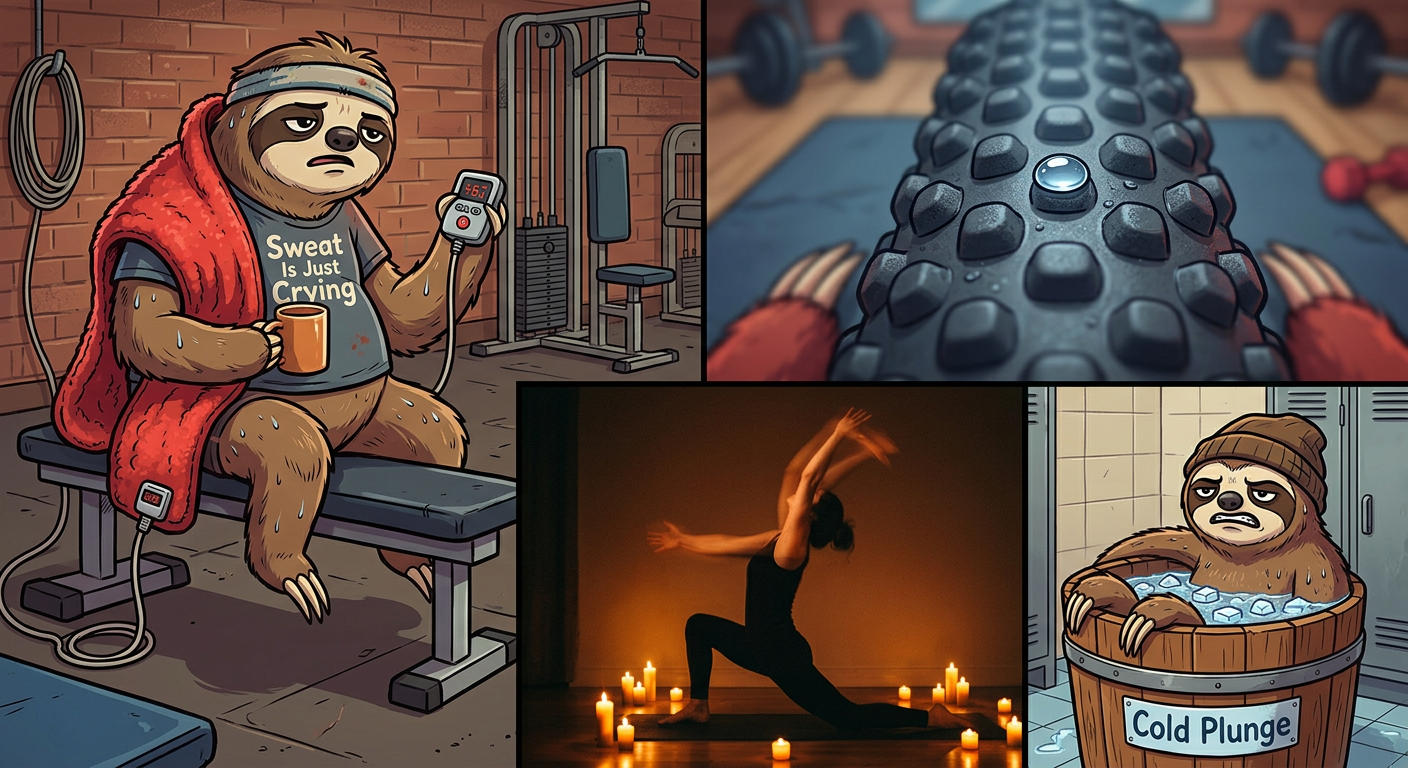
Okay, so you were in the middle of a great workout, feeling strong, and then… tweak. That sharp, sudden pain that tells you something isn't right. We’ve all been there. Your first instinct is probably to do something, but what? This is the moment the classic debate begins in your head - do I use heat or cold for injury?
As a trainer, this is one of the most common questions I get from clients. The answer isn't just a coin flip- it depends entirely on the type and timing of your injury. Getting it right can make a huge difference in your recovery time.
First, What Is an Acute Muscle Injury?
Before we dive in, let's get on the same page. We're talking about an acute muscle injury treatment. This is something that happens suddenly- a sprained ankle on a run, a pulled hamstring during sprints, or a tweaked shoulder from a bad lift. It’s trauma that comes with immediate pain, and usually, swelling.
This is different from chronic pain or general muscle soreness (DOMS) that you feel a day or two after a tough workout. For that kind of soreness heat vs cold is a different conversation, but for a fresh injury, the rules are pretty clear.
The Case for Cold: Your First 48 Hours
In my years of coaching, what I tell my clients is this - for a new, acute injury, think cold. Immediately.
When you injure yourself, your body's emergency response is to send a rush of blood and fluid to the area. This causes inflammation and swelling. While some inflammation is a natural part of healing, too much of it can increase pain and slow down recovery.
This is where cold therapy (cryotherapy) comes in. Applying cold to the area constricts your blood vessels. This is the single most effective way to reduce swelling injury. It does two key things:
- •Slows down blood flow - limiting the amount of fluid that can rush to the area, which minimizes swelling.
- •Numbs the area - cold acts as a mild anesthetic, providing blessed relief from that sharp, throbbing pain.
As a trainer, I always recommend the classic R.I.C.E. protocol, which stands for Rest, Ice, Compression, and Elevation. It’s a time-tested method for a reason.
- •How to do it - apply an ice pack, a bag of frozen veggies, or a proper cold pack wrapped in a thin towel for 15-20 minutes at a time, every 2-3 hours for the first 24-48 hours. Never put ice directly on your skin.
The Time for Heat: Promoting Long-Term Healing
So, if cold is the first responder, think of heat as the cleanup and repair crew. You should only introduce heat after the initial inflammation and swelling have peaked, which is typically around the 48-72 hour mark.
Applying heat (thermotherapy) does the opposite of cold - it opens up the blood vessels (vasodilation). This increases blood flow to the injured muscle. Why is this good now?
- •Delivers nutrients - increased circulation brings more oxygen and nutrients to the damaged tissue, which are essential for repair.
- •Relaxes muscles - heat helps soothe stiffness and improve flexibility in the surrounding muscles that may have tightened up to 'guard' the injury.
This is the phase where you’re moving from damage control to active healing. For lingering stiffness and soreness heat vs cold is an easy choice - heat is your friend. Studies have long shown that heat therapy can help relieve the discomfort associated with muscle soreness and stiffness.
- •How to do it - use a heating pad, warm towel, or take a warm bath for 15-20 minutes. Be careful that it's comfortably warm, not scalding hot.
Your Go-To Guide: Heat or Cold?
To make it super simple, here’s a quick cheat sheet I give my clients.
| Injury Stage |
Primary Goal |
Recommended Therapy |
Why? |
| First 48 Hours |
Reduce Swelling & Pain |
Cold |
Constricts blood vessels, numbs the area. |
| After 48-72 Hours |
Promote Healing & Reduce Stiffness |
Heat |
Increases blood flow, relaxes tight muscles. |
| General Soreness (DOMS) |
Soothe Muscles |
Both can work; personal preference. |
Heat for relaxation, cold for reducing inflammation. |
A Trainer's Final Word
So, the big takeaway on heat or cold for injury is simple - cold first for the initial trauma, heat later for the stiffness and recovery. It’s a one-two punch that gives your body what it needs at the right time.
But above all, listen to your body. The guidelines above are solid, but you are the expert on what you're feeling. If you're in severe pain or the swelling is extreme, it's always best to consult a doctor or physical therapist. Check out this guide from the Mayo Clinic for more information on safe application.
And once you’re healed and ready to get back to training, focus on prevention. Really dial in your form and don't push through pain. Smart training tools, like the FullBody AI app, can be fantastic for this, giving you feedback on your technique to help you build strength safely and keep future injuries at bay. Stay safe out there! 💪