
Let's be honest. The term 'AI' gets thrown around a lot these days, and fitness is no exception. You see ads promising a robot trainer in your pocket that will magically sculpt your dream body. It all sounds a little like science fiction, right?
Well, as the team behind FullBody AI, we want to cut through the noise. We believe in what we’ve built, but we also believe in being totally transparent. So today, let’s tackle some of the biggest ai fitness myths and get real about what an app like ours can - and just as importantly, can't - do for your fitness journey.
Myth #1: AI is here to replace human personal trainers.
This is probably the biggest concern we hear. The idea of a cold, unfeeling algorithm taking over a very human profession is... unsettling. But here's the truth - aI is a tool, not a replacement.
A great personal trainer provides accountability, in-person motivation, and the kind of nuanced, hands-on form correction that you can only get face-to-face. We're not trying to replace that. Instead, our goal is to make personalized, intelligent fitness planning accessible to everyone, especially those who might not have the budget or schedule for a 1-on-1 trainer.
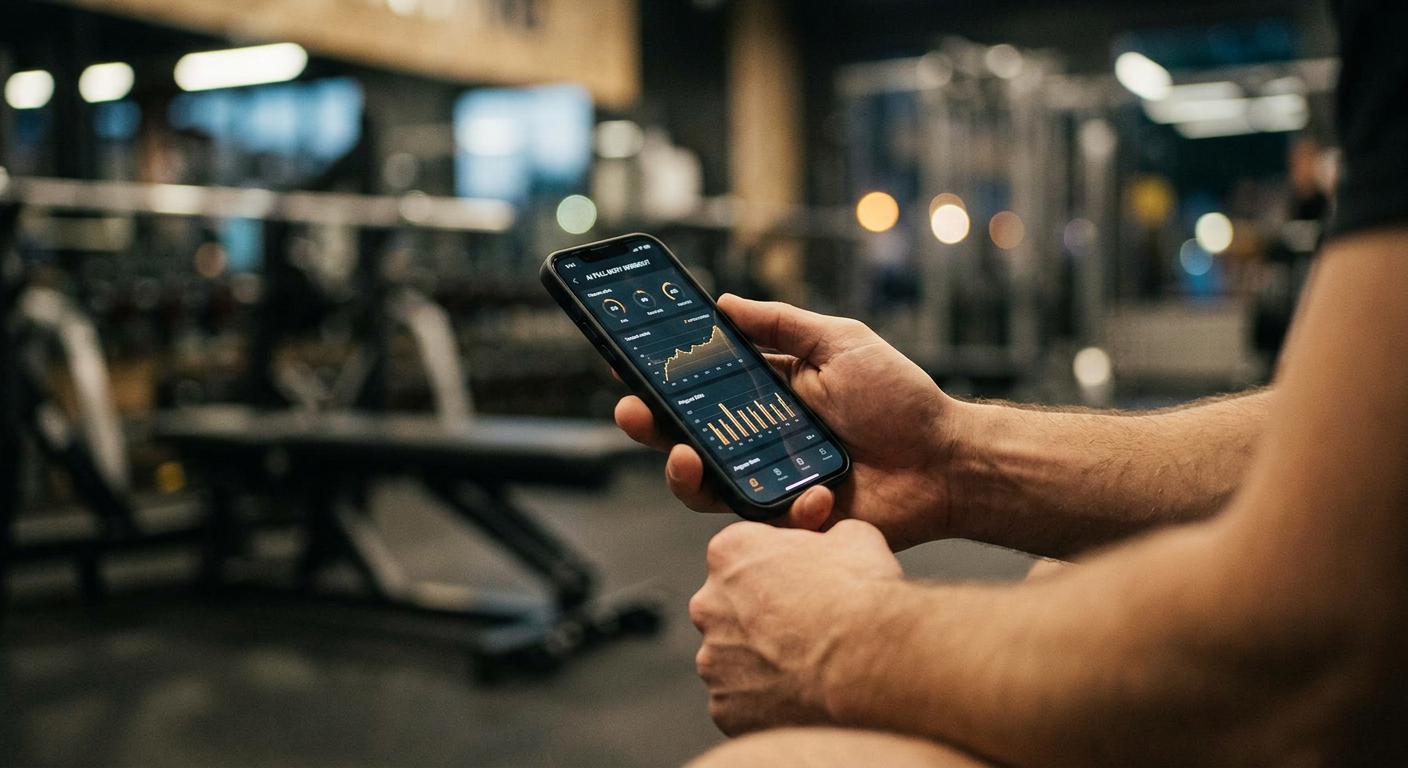
Think of FullBody AI as your ridiculously smart training log. It builds the plan, tracks your progress, and adapts based on your data - freeing you up to focus on the work itself.
Myth #2: AI workouts are just a random list of exercises.
Some early 'fitness apps' were guilty of this. They'd just shuffle a library of exercises and call it a workout. That’s not AI; that's a playlist on shuffle. The truth about ai workouts, at least the good ones, is that they are built on the foundational principles of exercise science.
Our system is designed around progressive overload. This means it's always trying to challenge you just enough to keep you making progress, but not so much that you burn out or get hurt. It looks at your past performance:
- •The weights you lifted
- •The reps you completed
- •Your post-workout feedback ('too easy', 'just right', 'too hard')
Based on that data, it intelligently adjusts your next workout. It increases weight, adds a rep, or maybe even swaps an exercise to keep your body adapting. It’s not random - it’s data-driven and personalized to you.