
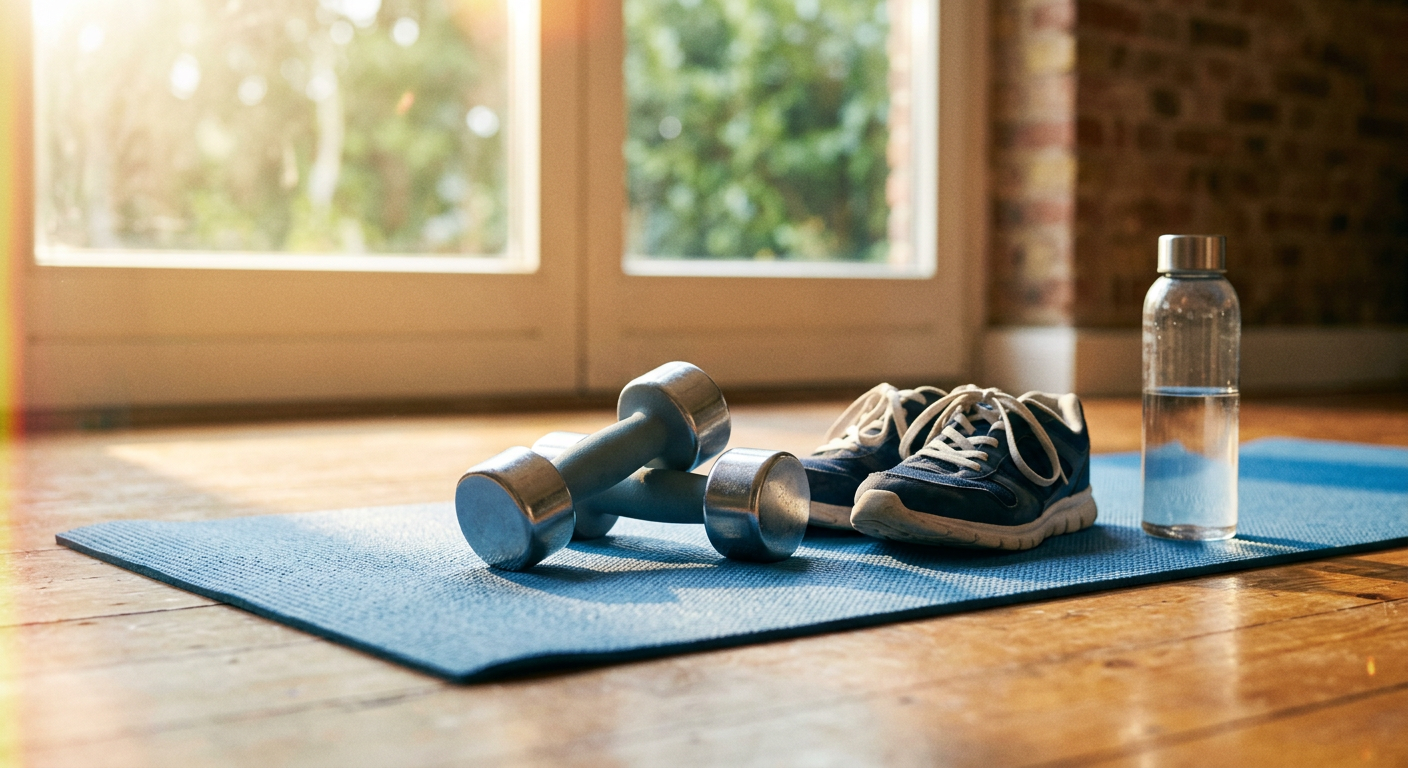
When I first started lifting weights, the world of nutrition felt like a total mystery. The gym bros were talking about 'macros' and chugging weird-smelling shakes, and all I knew was that I was supposed to eat... more protein? But how much? And from where? It was honestly a little overwhelming.
If you're feeling that same confusion right now, take a deep breath. I'm here to cut through the noise and give you a simple, no-nonsense guide to protein for beginners. Let's get you on the right track.
First Off, Why Is Protein a Big Deal?
Think of your muscles like a brick wall. When you work out - especially with weights - you're creating tiny little micro-tears in your muscle fibers. This sounds bad, but it's actually the signal for your body to rebuild them stronger and bigger.
So where do the bricks for that repair job come from? Protein.
Protein is made up of amino acids, which are literally the building blocks your body uses for muscle repair and growth. If you don't eat enough protein, your body won't have the raw materials it needs to recover from your workouts. You'll feel sore for longer and you won't see the results you're working so hard for in the gym. This is the foundation of your beginner protein intake strategy - giving your body the tools it needs to build on the hard work you're doing with your FullBody AI workout plan.
How Much Protein for Beginners? The Simple Answer
Forget complicated calculators and confusing advice. For most people new to lifting and looking to build muscle, the science points to a pretty clear and simple target.
A great goal for your daily protein intake is somewhere between 1.6 to 2.2 grams of protein per kilogram of your body weight.
If you think in pounds (like I do!), that's roughly 0.7 to 1.0 grams of protein per pound of body weight.
So, for a 150 lb person, that’s a goal of 105-150 grams of protein per day. For a 200 lb person, that's 140-200 grams. Pick a number in that range and aim for it. It doesn't have to be perfect every single day! Consistency over perfection is the name of the game. For a deeper dive into the science, this meta-analysis from the British Journal of Sports Medicine is a fantastic, if dense, read.
My advice? Start at the lower end of the range. See how you feel. As long as you're feeling good and recovering well from your workouts, you're likely doing great.