
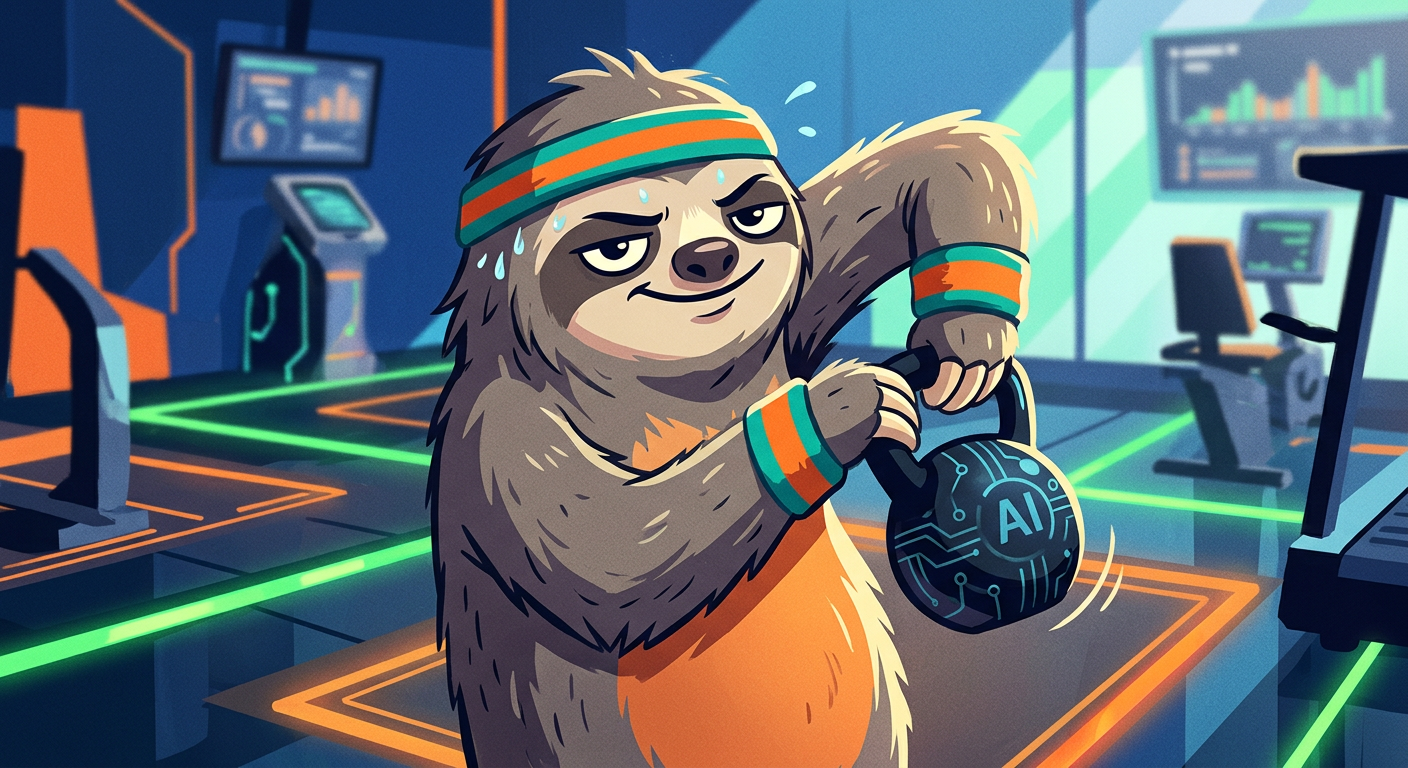
Kettlebell Swings: AI-Powered Tips for This Full Body Burner

    Ready to transform your training?

    Get a personalized AI workout plan in 30 seconds. Free trial, no credit card.

    Kettlebell Swings: AI-Powered Tips for This Full Body Burner

    I'll be the first to admit it - for years, my kettlebell swing was just... off. I thought I was doing a killer full-body workout, but really I was just giving myself a sore back and not much else. It felt awkward, my arms got tired before my legs did, and I just couldn't generate that explosive 'snap' everyone talks about.

    It wasn't until I truly broke down the movement-with a little help from some seriously cool tech-that everything finally clicked. The kettlebell swing went from being my most-hated exercise to the cornerstone of my workouts. And I'm going to share how I got there.

    Why Your Kettlebell Swing Might Feel 'Wrong'

    Okay, let's get real for a sec. This move is way harder to get right than it looks. Most of the time when I see people swinging a kettlebell at the gym, I see my old self making the same classic mistakes. It usually boils down to two things:

    • •The Squat-Swing - this is the #1 offender. Instead of an explosive hip hinge, you're doing a mini-squat. The power for the swing should come from your glutes and hamstrings, not your quads. If your knees are bending a ton and moving forward, you're squatting it.
    • •The Front-Raise - this is where you try to lift the kettlebell with your shoulders and arms. Your arms are just hooks! They guide the bell, but the power doesn't come from them. If your shoulders are burning after a set, you're probably arm-swinging it.

    I was guilty of both. The result? A weak, inefficient movement that put more strain on my lower back and shoulders than on my powerhouse posterior chain.

    My Secret Weapon: AI for Efficient Swings

    This is where things got interesting for me. I'm a bit of a data nerd, so when I started using the FullBody AI app, the first exercise I wanted to analyze was my swing.

    The real magic is having an unbiased, super-precise coach watching every single rep. After my first set, the app instantly gave me feedback. It showed me a visual overlay of my form, confirming my suspicion - my hip hinge was shallow and I was breaking at the knees too early. It was a classic squat-swing.

    This is the key to mastering kettlebell swings ai. The app didn't just say 'your form is bad.' It gave me specific, measurable data points. It showed me my back angle at the bottom of the swing, the peak height of the bell, and the explosive power generated by my hips. My journey to a better swing became a data-driven mission. I could finally see what I was feeling.

    My Top AI-Powered Kettlebell Swing Tips

    Alright, so how do you use this to your advantage? It's not just about using the tech, it's about how you apply the feedback. Here are my go-to ai kettlebell swing tips.

    First, Nail the Hip Hinge (Without the Bell)

    Create Your Workout Plan by Voice - Free, No Signup

    Just tell our AI what you want - your goals, schedule, equipment - and get a personalized plan in seconds. No forms, no hassle. Just speak.

    Before you even think about swinging, you have to master the hinge. It's the foundation. Seriously, don't skip this.

    Stand about a foot away from a wall, facing away from it. With a slight bend in your knees, push your butt back until it taps the wall. Keep your back straight and chest proud. That feeling of pushing your hips back while your shins stay mostly vertical? That's the hinge. Practice it. Live it. Love it.

    Here’s a great visual that shows the difference between a hinge and a squat:

    Let the AI Be Your Unblinking Eye

    Set up your phone and fire up a full body kettlebell ai session in the FullBody AI app. Do one set of 10 swings with a light-to-moderate weight. Then, look at the data.

    The app might tell you your back is rounding slightly at the bottom, or that your swing arc is inconsistent. This feedback is pure gold. Instead of just thinking you're doing it right, you now know what to work on. Your next set has a purpose.

    Your AI-Powered Progression

    A common mistake is trying to fix everything at once. Use the AI's feedback to focus on one cue per week. It could look something like this:

    Week Focus AI Metric to Watch Sample Workout
    1 The Hinge Pattern Spine Angle 3 sets of 10 Hinge Drills (no weight)
    2 The 'Float' Swing Height Consistency 4 sets of 8 light kettlebell swings
    3 Explosive Power Hip Speed / Power Output 5 sets of 10 powerful swings
    4 Build Endurance Rep Consistency Over Time 3 rounds of 30s on, 30s off

    By focusing on one aspect at a time and using the AI to validate your changes, you're building a perfect swing from the ground up, based on real data from your own body.

    It's a complete game-changer. You stop guessing and start improving. The kettlebell swing is a true full-body burner, but only when it's done right. So grab a bell, use the tech, and unlock the power you've been missing. Trust me, your glutes (and your back) will thank you.

    Ready to transform your training?

    Get a personalized AI workout plan in 30 seconds. Free trial, no credit card.

    No card or signup required. Start in 30 seconds